
Don’t Let a Late Freeze Ruin Your Garden
By: Rosalie Merriner
Spring in Northern Nevada can be unpredictable: warm weeks followed by sudden stretches of freezing temperatures. A late freeze can happen anywhere from April to late May (and sometimes even early June). This can be a detrimental time for your plants, as they are especially vulnerable at the beginning of the growing season. Thankfully, there are several things you can do to protect—and even save—your plants from an unexpected cold snap.
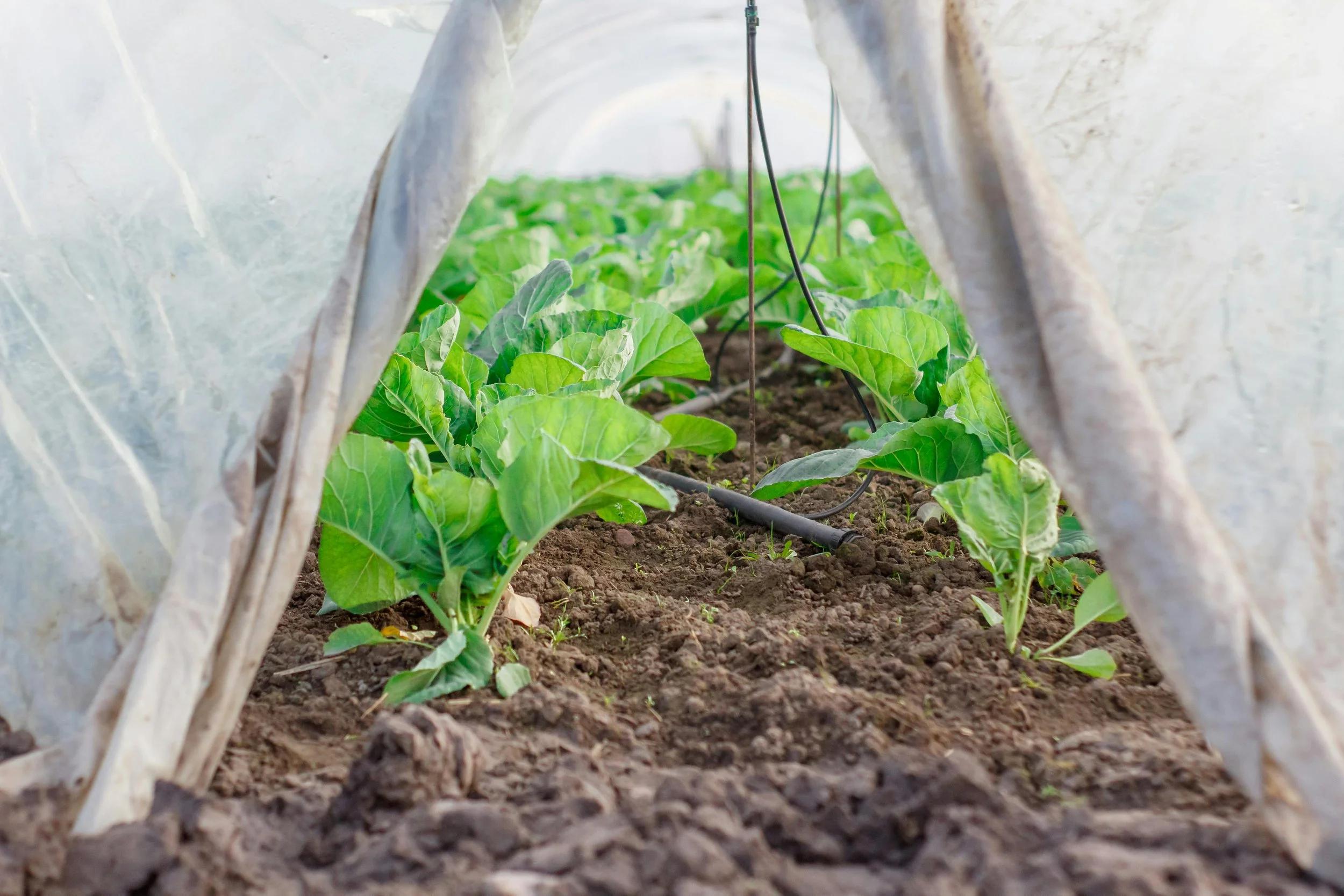
Covering Plants
The first thing you can do to protect your plants is to cover them. Frost cloths are made specifically for this purpose. They are usually made from materials similar to polyester that help insulate plants. The air inside the cloth is warmed by the natural heat of the soil, providing a vital 4 to 8 degrees of protection.
Watering Before a Freeze
Watering before a freeze might seem counterintuitive, but it can make a huge difference for your plants. Moist soil actually retains heat better than dry soil due to water’s high specific heat capacity. During the day, the water absorbs energy, and at night, it releases that energy as heat. Watering well before temperatures drop—paired with covering—can be a very effective way to insulate your plants.
Mulching
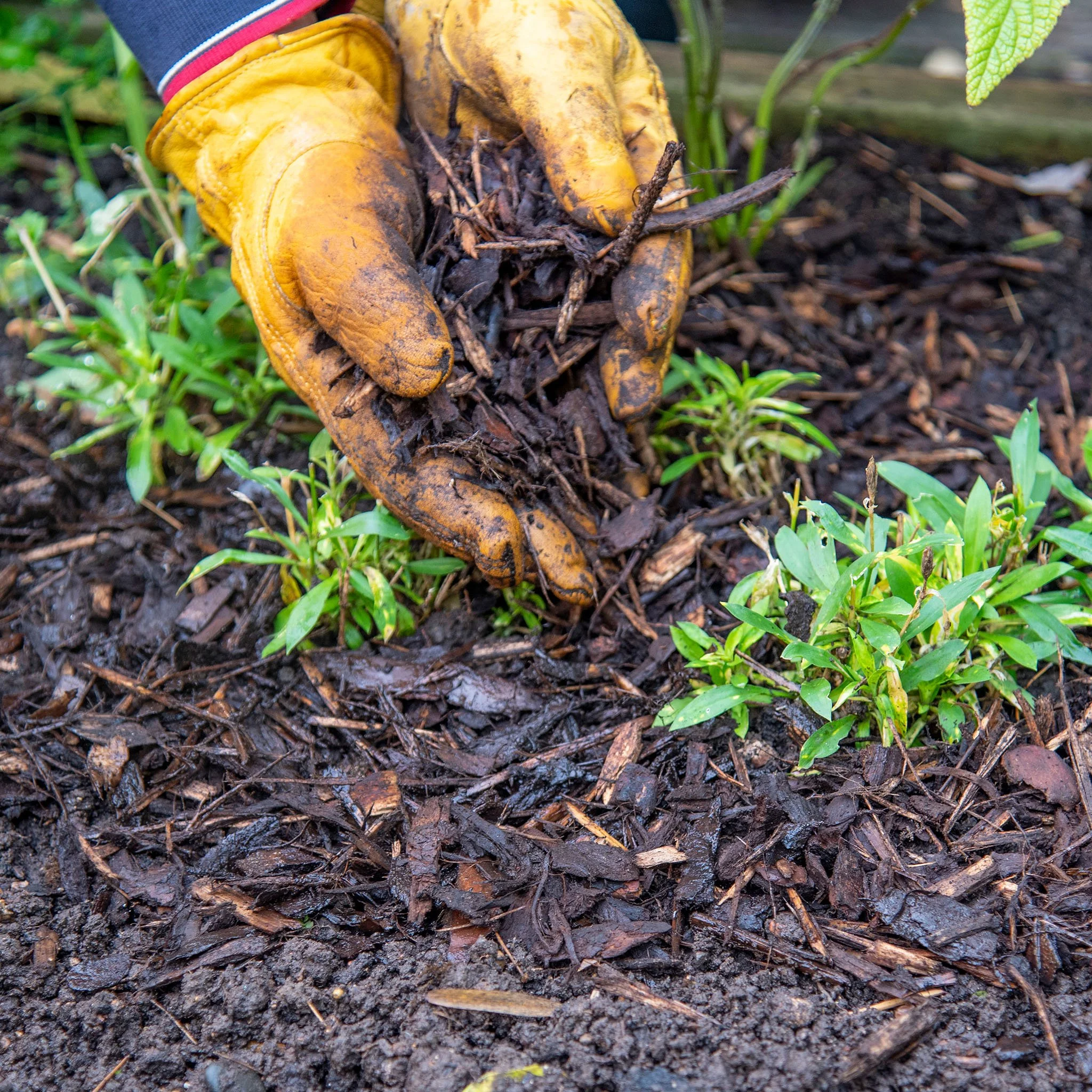
Mulch is another easy and effective way to help insulate root systems. It helps regulate and maintain soil temperature while also retaining moisture. This consistency allows the soil to stay at a more stable temperature, especially as well-watered soil releases heat. Different plants work best with different kinds of mulch. Here are three of the most common types:
Arborist Wood Chips – Composted wood chips allow for air circulation, helping keep plants cool in the summer and insulated in the winter.
Bark Mulch – This type provides strong insulation and adds organic matter to the soil as it decomposes.
Straw or Hay – Often the best choice for vegetable gardens, especially during colder months.
Using Heat Sources
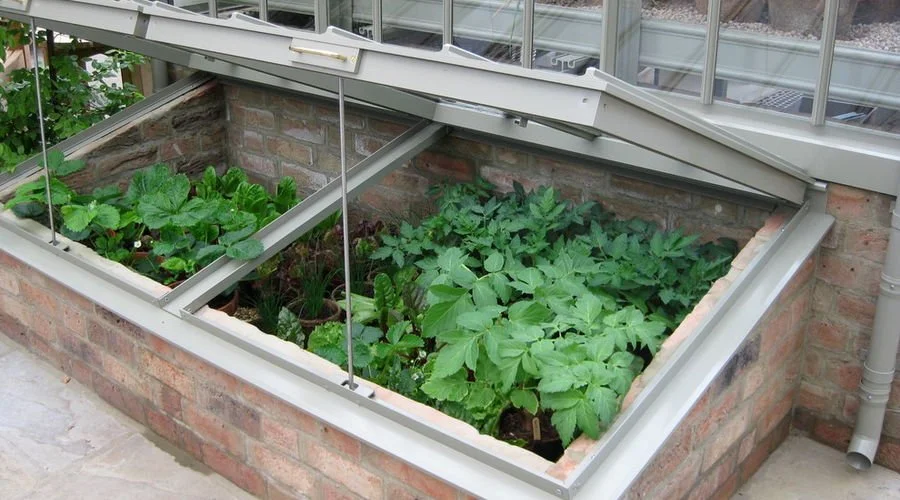
There are also several ways to generate heat to protect your plants. Cold frames are similar to greenhouses but smaller and easily movable. They absorb heat during the day and retain it through the night. Cloches work in a similar way but on a smaller scale and are often DIY-friendly—commonly made from plastic or glass. Repurposing old plastic gallon jugs is a great way to create simple cloches while keeping your plants warm.
Final Thoughts
With the right preparation, a cold snap doesn’t have to mean the end for your plants. Covering, watering, and mulching are three simple and effective ways to help ensure your plants thrive throughout the season.
About the Author
As one of Northern Nevada’s leading landscape companies, Antonucci Lawn & Garden offers fresh ideas and quality craftsmanship to improve outdoor living. Since 2009, Antonucci has been focused on enhancing beautiful landscaping. Whether starting from scratch or renovating an existing backyard, our knowledgeable staff and certified team of contractors will explain everything you need to build your perfect outdoor retreat.
