
Landscaping Around the World: Brazil
By: Rosalie Merriner
Welcome back to our series, Landscaping Around the World! So far, we’ve visited Italy, China, and Ireland. Today, we’re heading to the largest country in South America: Brazil.
Brazil is known for many things—the home of Carnival, a powerhouse in fútbol, and its lush landscapes. About 60% of the Amazon rainforest is found in Brazil, covering roughly 40% of the country. There’s no doubt that the Amazon has a major influence on the country’s landscaping styles. Today, we’re exploring the Jardim Tropical style, which literally translates to “tropical garden.”
The Origin
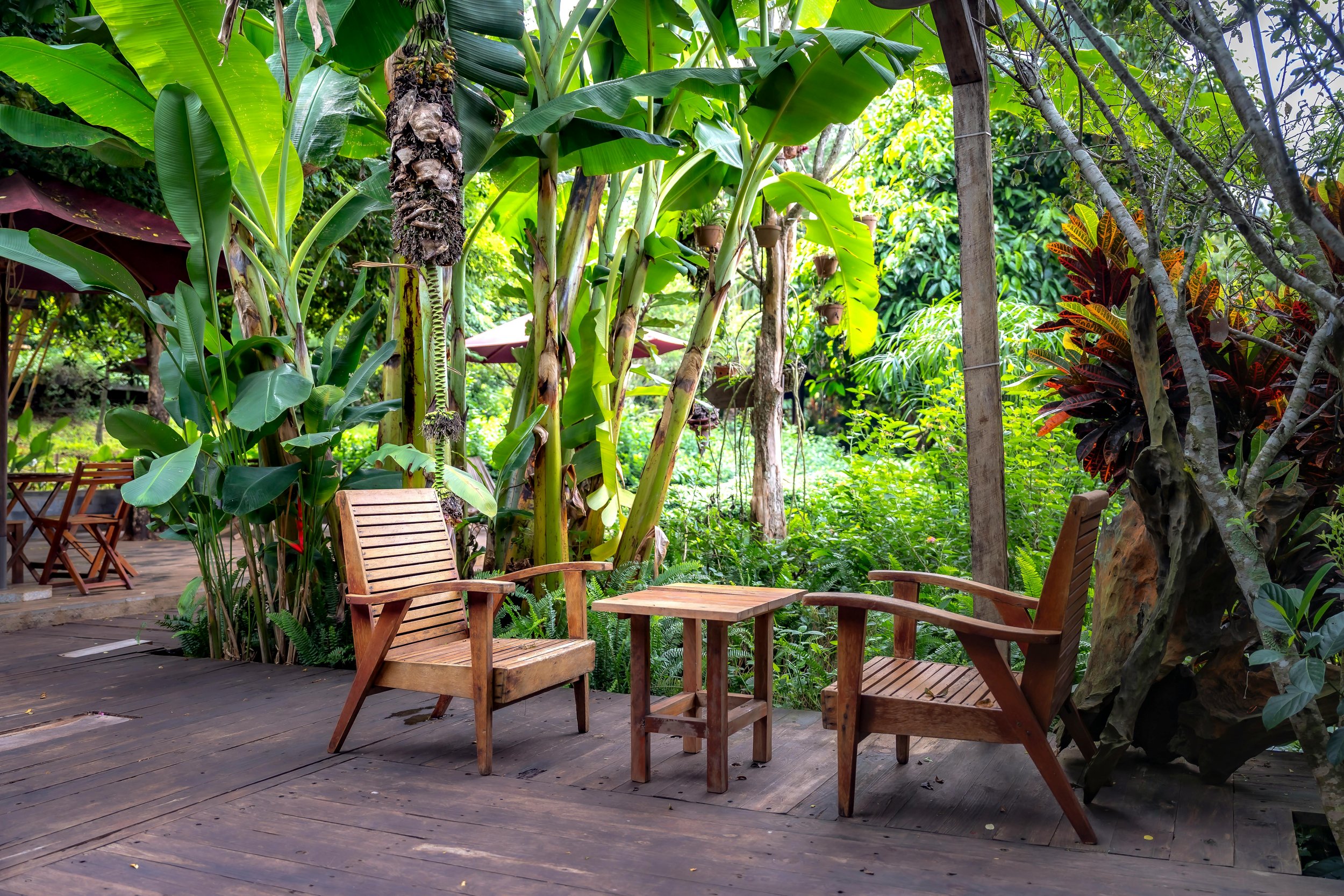
Roberto Burle Marx is largely responsible for shaping this design style. He was a Brazilian landscape architect, artist, and environmentalist who saw gardens as living canvases. By fusing abstract modernism with the country’s native flora, he created truly striking landscapes.
A good way to describe this style is “controlled abundance.” Plants are grouped rather than scattered randomly, and the contrast of different leaf sizes and colors adds depth. Instead of feeling like a traditional European garden, it should feel immersive—like stepping into a forest.
Layering: The Backbone
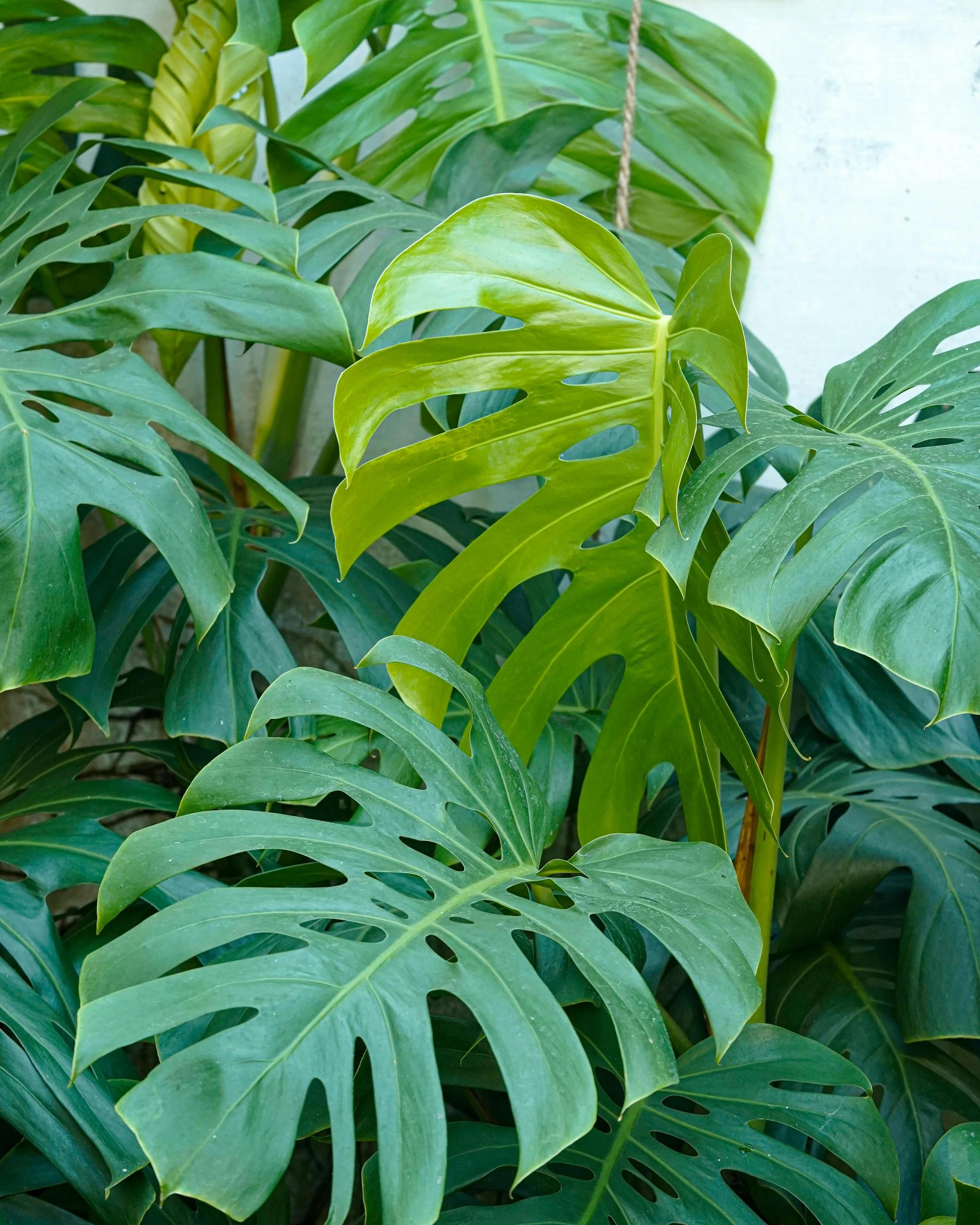
Tropical gardens rely heavily on vertical layering, mimicking a natural rainforest. There are three main layers that define this style: the canopy, the mid-layer, and the understory. Together, these layers allow every plant to play a role without the design becoming overwhelming.
Here’s a quick guide:
Canopy – Provides height and filtered light
Palm trees, banana trees, or large shade treesMid-layer – The focal point of the garden
Heliconias, gingers, bird-of-paradiseUnderstory – Fills in gaps and eliminates empty ground space
Ferns, calatheas, bromeliads
Plant Selections
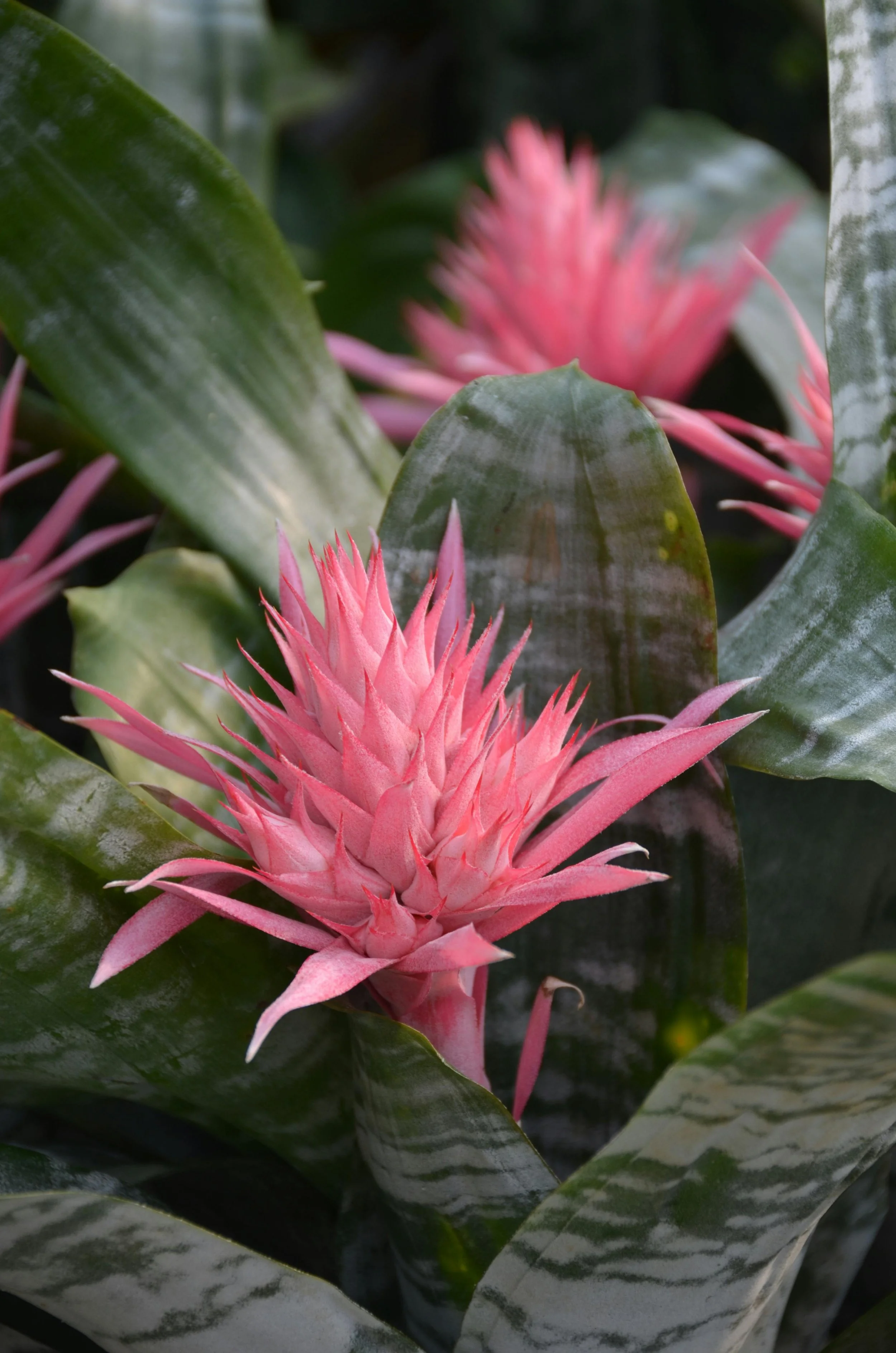
Unlike traditional Western gardens that emphasize flowers, tropical design leans heavily on foliage. Leaves often last longer than flowers, giving the garden year-round fullness. Their varying shapes and textures add boldness and depth to the design. Flowers are still used, but more as accents than focal points.
Foliage Types
Monstera, Philodendron, Alocasia
These bold foliage plants are known for their oversized, sculptural leaves, creating dramatic texture and a dense, jungle-like feel in shaded areas.
Palms
Palms provide height and structure, forming the upper canopy and giving the garden its iconic tropical silhouette.
Flower Types
Bromeliads, Orchids
These plants add pops of color and exotic detail, often growing on trees or nestled into layers rather than in traditional soil beds.
Heliconia, Hibiscus
These bring vibrant tropical color through large, striking flowers that stand out against a sea of green foliage.
Hardscaping
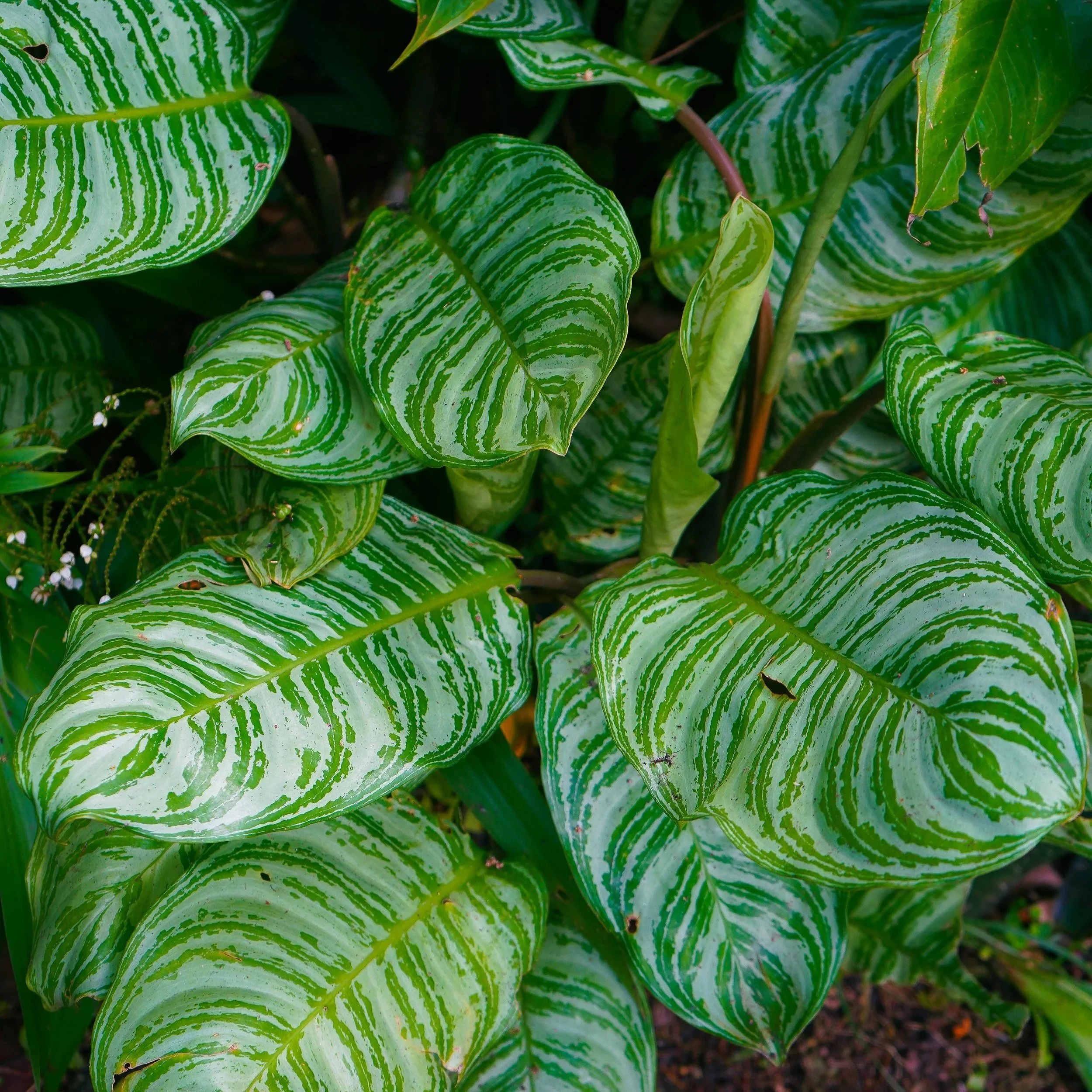
In tropical gardens, foliage is the main focus. When used, hardscaping elements should complement the landscape without drawing attention away from it. Instead of straight lines, tropical gardens favor organic flow. Curved stone or gravel pathways feel natural as they guide you through the jungle-like space. A lack of symmetry helps the design feel organic rather than rigid.
Final Thoughts
The Jardim Tropical style is both intentional and wild. Every plant—whether foliage or flower—is chosen with purpose. While this type of garden may not be ideal for Northern Nevada due to temperature swings and low humidity, you can still borrow its core principles by layering plants at high, medium, and low levels to create depth and fullness in your own space.
About the Author
As one of Northern Nevada’s leading landscape companies, Antonucci Lawn & Garden offers fresh ideas and quality craftsmanship to improve outdoor living. Since 2009, Antonucci has been focused on enhancing beautiful landscaping. Whether starting from scratch or renovating an existing backyard, our knowledgeable staff and certified team of contractors will explain everything you need to build your perfect outdoor retreat.
