By: Rosalie Merriner
Have you ever brought home a healthy, beautiful plant—only for it to quickly decline after planting? You’re not alone. This is a common issue many people face when adding new plants to their landscape. Surprisingly, it’s often not due to poor care, but poor placement.
Different plants have different needs. When choosing what to plant, it’s important to consider a few key factors: the microclimates within your yard, the region you live in, and local pests. These elements all play a role in helping your plants thrive—not just survive.
Microclimates
A microclimate is a small, specific area where the climate differs from the surrounding region. This could be as large as a city district or as small as a few square feet in your yard. Four main indicators of microclimates are temperature, wind, moisture, and sunlight.
When introducing new plants, placing them in the correct microclimate can make all the difference. For example, Japanese maples thrive when planted near taller trees, which mimic a woodland environment and provide protection from wind. They also do best when placed on the east side of a property, where they receive gentle morning light without being exposed to harsh afternoon sun.
Japanese maples are a perfect example of how proper placement can dramatically improve plant health. At Antonucci Lawn and Garden, we take these factors into account to ensure your plants flourish year after year.
Plants That Actually Work in the Area
The Reno, Sparks, and Carson region is considered a high desert. While this might suggest limited planting options, the reality is quite the opposite—many plants thrive in this environment.
Here are a few that perform especially well in Northern Nevada:
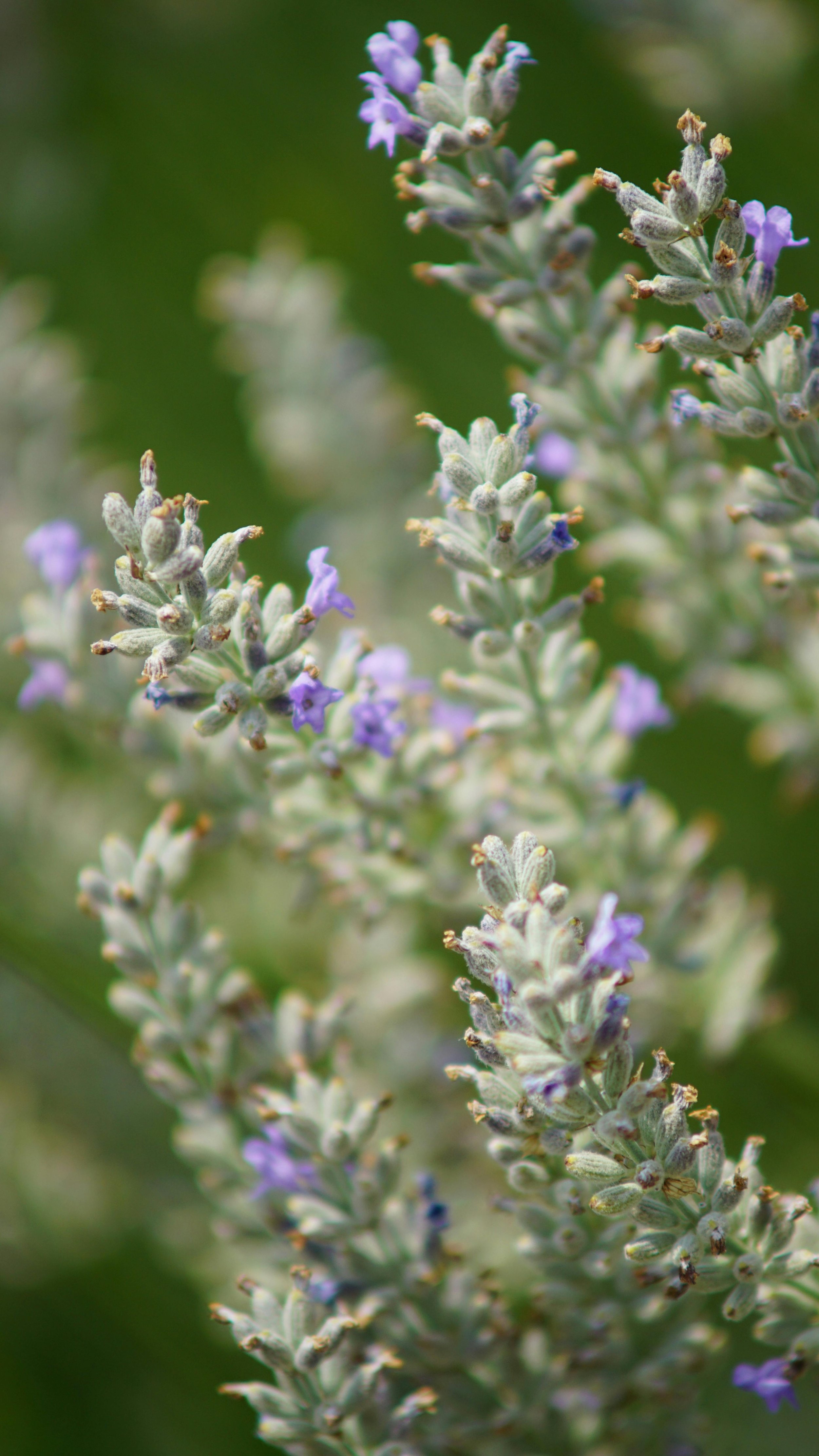
Lavender – English varieties handle alkaline soil and dry summers with ease.
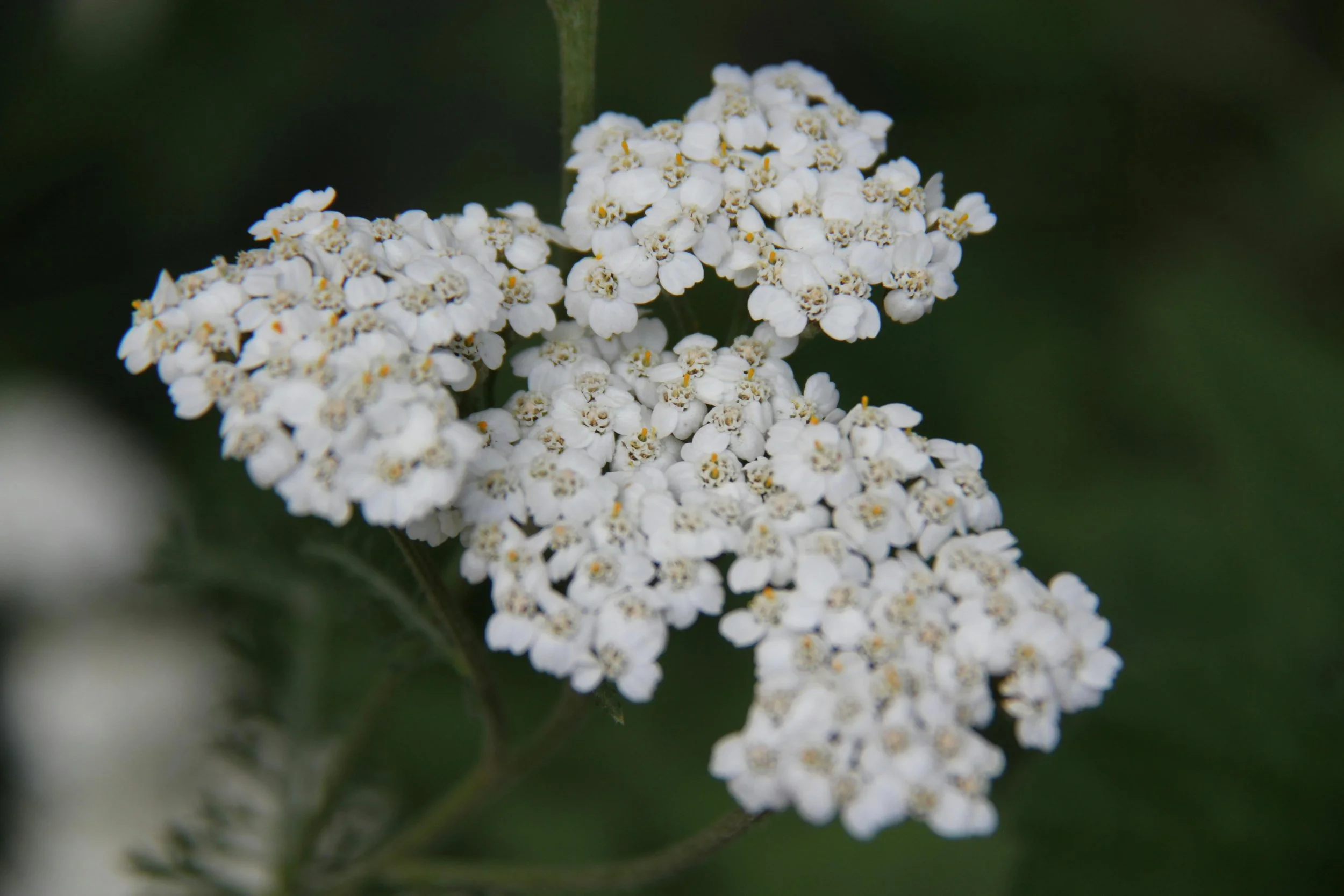
Yarrow – Cold-hardy and well-suited for full, direct sun.
Lilacs – Require a winter chill to bloom properly and do well in low humidity.
A key part of our design process is selecting plants that are not only beautiful but also well-adapted to the local climate, ensuring long-term success.
Pests
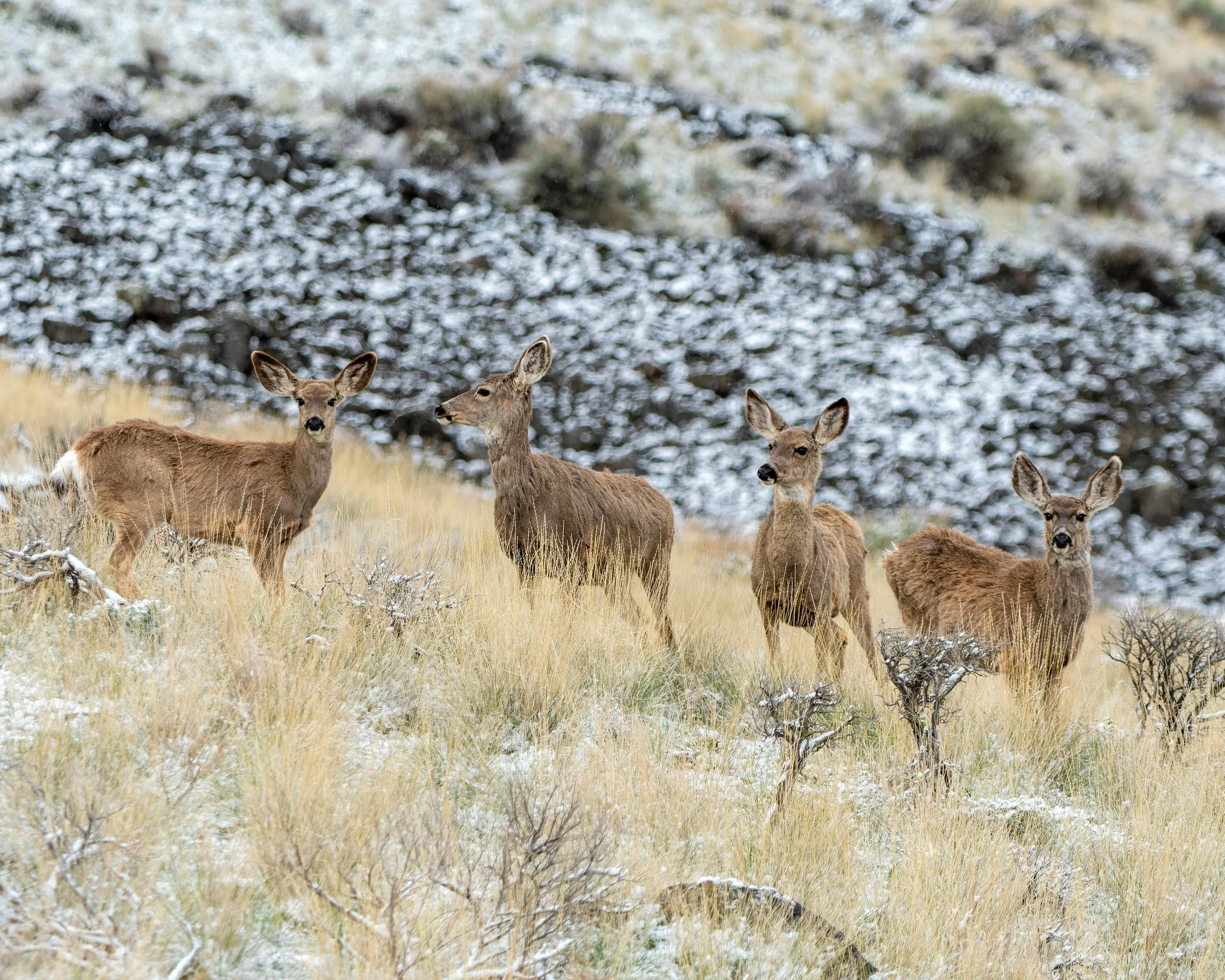
In Northern Nevada, wildlife is simply part of the landscape. Animals like rabbits and deer are common—and while they add to the natural environment, they can also damage plants you’ve worked hard to maintain.
Fortunately, many plants native to the region are naturally resistant to these pests. In areas with heavy browsing pressure, plants have evolved protective traits such as strong fragrances, tough textures, or spiny surfaces. Choosing plants with these characteristics can significantly reduce damage and frustration.
Final Thoughts
Successful landscaping isn’t just about choosing plants that look good—it’s about choosing plants that belong. When you take into account your yard’s microclimates, your regional environment, and the realities of local wildlife, you set your landscape up for long-term success. Thoughtful placement and smart plant selection turn gardening from a guessing game into a sustainable, rewarding investment—one where your plants don’t just survive, but truly thrive.
