
Landscaping Around the World: Turkey
By: Rosalie Merriner
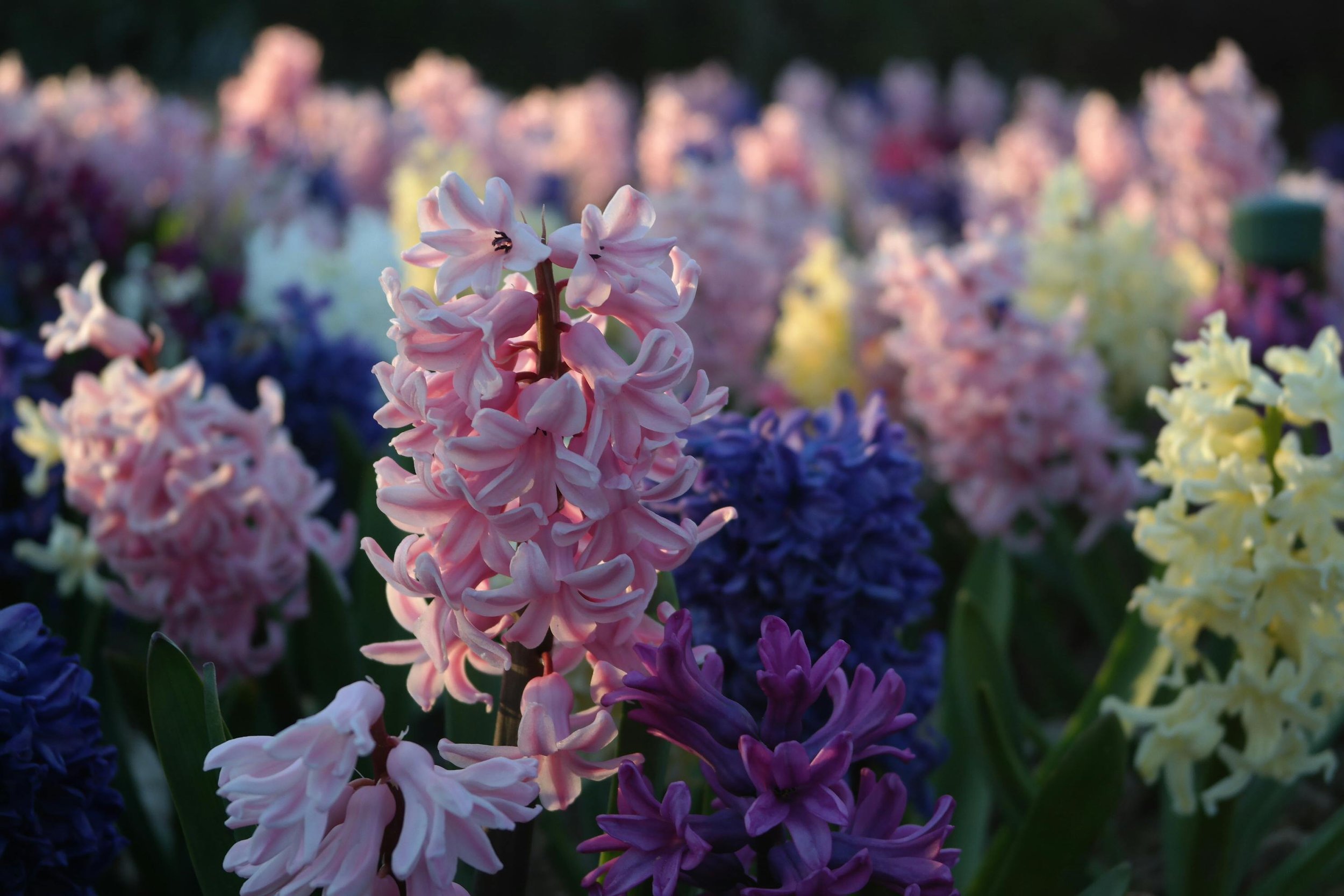
Welcome back to Landscaping Around the World! So far, we have traveled north, south, east, and west, stamping our passports along the way. Today, we are leaving the tropical rainforests of Brazil and heading northeast to Turkey. Turkey is a country nestled between the Black Sea and the Mediterranean Sea. This peninsula bridges the continents of Europe and Asia and is known as the birthplace of both Saint Nicholas and the tulip. Turkey is home to many unique landscaping styles, but today, we are taking a closer look at the Ottoman Garden style.
Symmetry
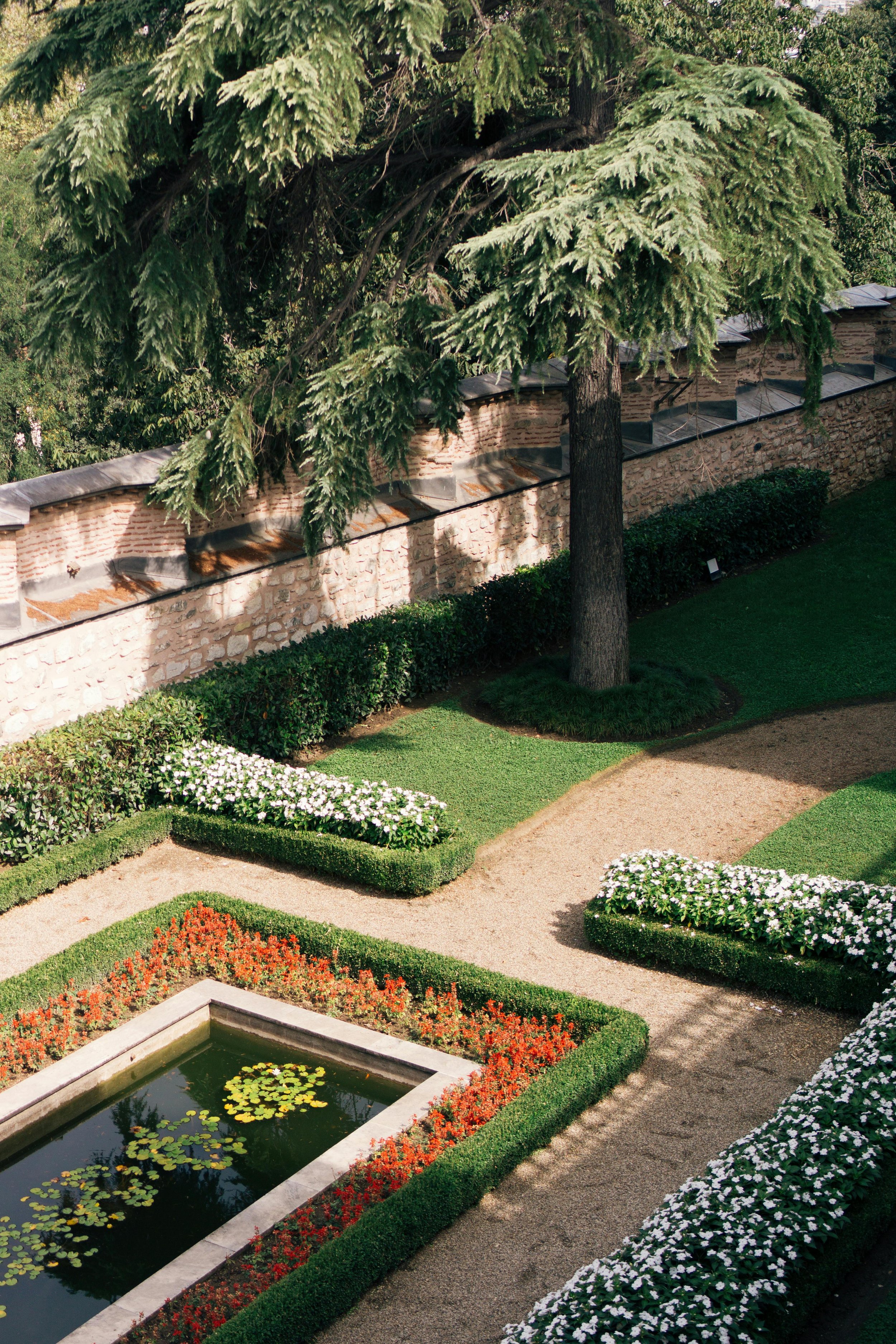
Symmetry is one of the defining characteristics of the Ottoman Garden style. Unlike some modern landscaping styles that can feel rigid and overly structured, Ottoman gardens maintain symmetry without appearing harsh or stiff. A variety of geometric layouts creates visual interest and keeps the garden feeling balanced yet inviting.
The gardens of the Topkapı Palace in Istanbul are a great example of this design style. The palace gardens use different shapes and pathways to naturally guide both the eyes and footsteps through the landscape.
Water Features
Water features are another common element found in Ottoman gardens. This style is heavily inspired by Islamic Paradise gardens, where water symbolizes life, peace, and reflection. Reflecting pools are often described as a “mirror to the soul” and are thoughtfully placed throughout the design, giving the garden a contemplative and almost spiritual atmosphere.
Fountains are also frequently incorporated, with flowing water representing vitality and renewal. In Northern Nevada, water features can add both relaxation and flexibility to a landscape design, adapting easily to different preferences and yard sizes.
Fragrance
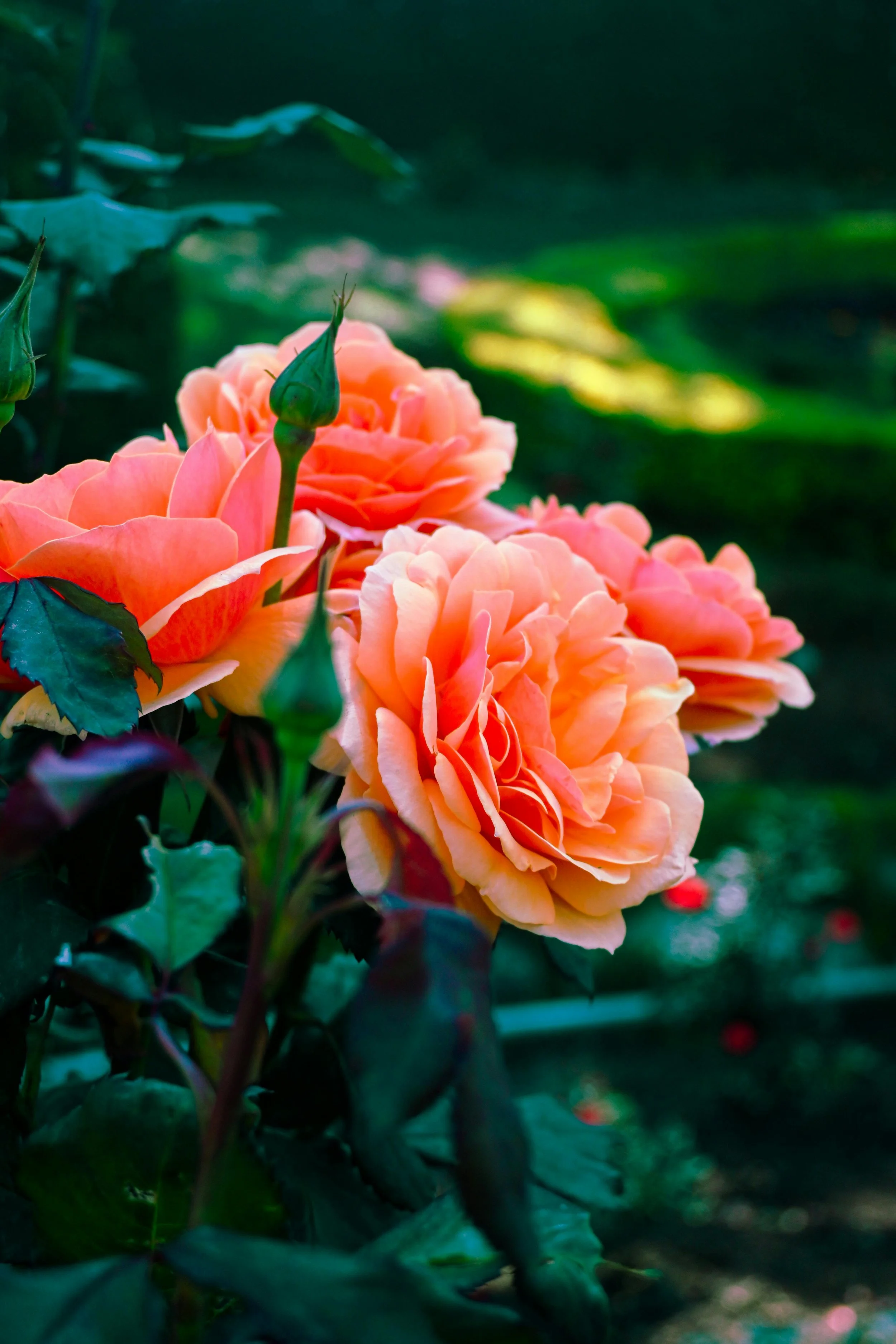
Plant choices in Ottoman gardens rely heavily on one important feature: fragrance. The flowers used in these gardens are selected not only for their beauty, but also for their scent. This idea also comes from Islamic Paradise gardens, where the goal was to create a paradise on earth. In this culture, fragrance was believed to enhance mental clarity and well-being.
Flowers commonly used in this style include:
Roses — Rose fragrances vary widely, from the classic “tea rose” scent to fruity, citrusy, or musky notes depending on the variety.
Jasmine — Jasmine has a rich, sweet, and intoxicating aroma that often intensifies at night. It is widely used in perfumes, teas, and traditional medicine.
Hyacinths — Known for their strong, sweet fragrance, hyacinths are often described as “nature’s perfume.”
With proper placement, each of these flowers can thrive in Northern Nevada, bringing beautiful fragrances into your yard and helping create your very own backyard paradise.
Final Thoughts
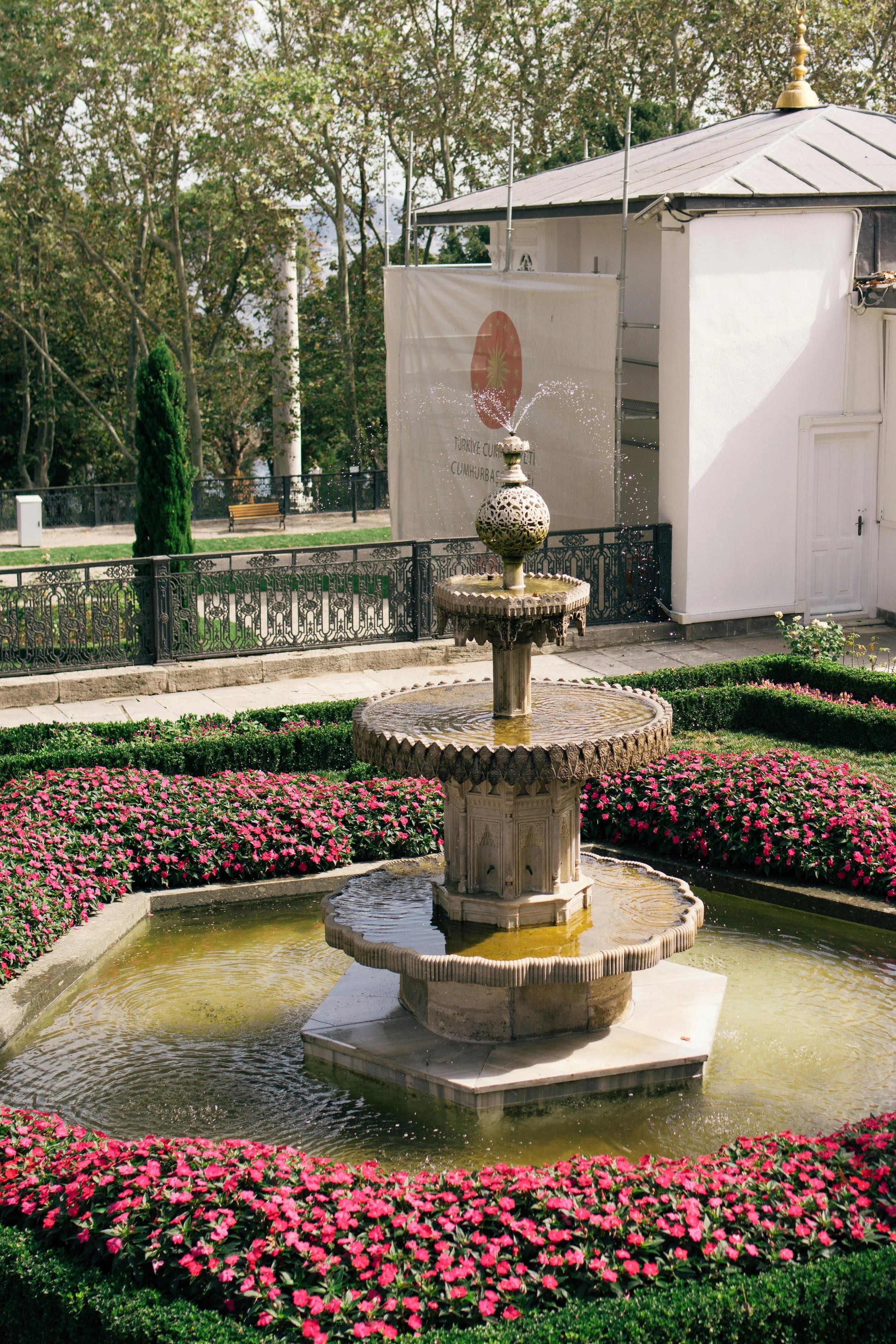
The Ottoman Garden style is characterized by symmetry, water features, and fragrant flower selections. It is a design style that moves both the eyes and the heart, creating spaces that feel peaceful, balanced, and inviting. If you would like to draw inspiration from these gardens in your own landscape, reach out for an estimate. We would love to help turn your yard into a dream getaway.
About the Author
As one of Northern Nevada’s leading landscape companies, Antonucci Lawn & Garden offers fresh ideas and quality craftsmanship to improve outdoor living. Since 2009, Antonucci has been focused on enhancing beautiful landscaping. Whether starting from scratch or renovating an existing backyard, our knowledgeable staff and certified team of contractors will explain everything you need to build your perfect outdoor retreat.
