
Understanding Shade Structures
By: Rosalie Merriner
In June, July, and August, temperatures soar, rain becomes scarce, and life in the high desert can become a bit unpleasant. Shade becomes a hot commodity during the summer months. Choosing the right shade structure for your yard can dramatically improve your outdoor space, especially during the hottest time of the year. Pergolas, pavilions, and gazebos are three common shade structures, each offering a unique way to provide shade and enhance your landscape.
Pergolas
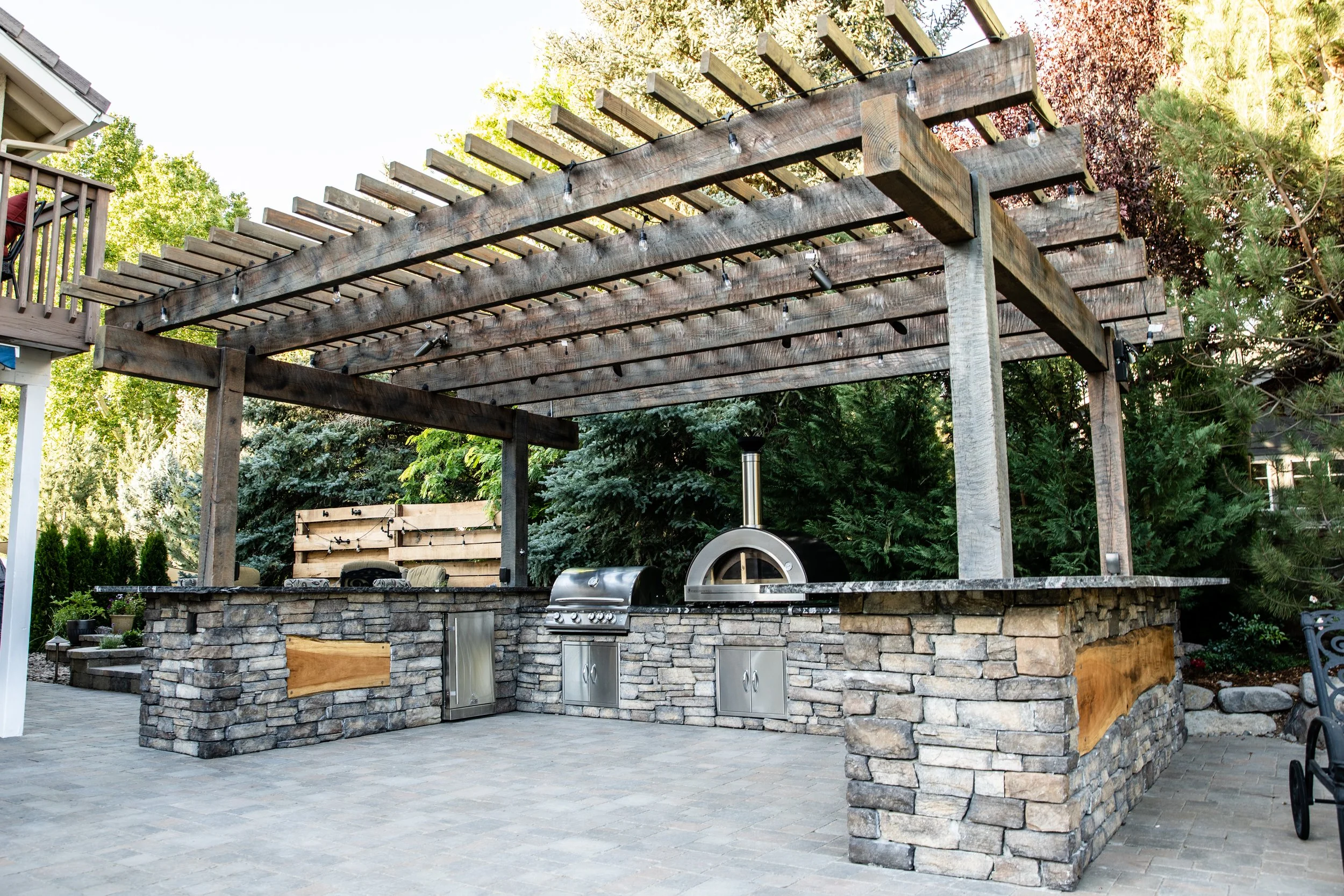
Pergolas are the first shade structure we are going to look at today. A pergola is an open-roof structure with evenly spaced beams that filter the sun while still allowing natural light to shine through. They have been around for thousands of years and were popularized in ancient Roman gardens. Today, pergolas are often attached to homes but can also be freestanding. Pergolas work well over patios, outdoor dining spaces, and seating areas. They offer a stylish, modern look while remaining highly customizable. Adding shade canopies or climbing plants, such as Star Jasmine or Wisteria, is a great way to increase both visual interest and shade. One important consideration is that, because of the slatted roof design, pergolas do not provide complete protection from rain or the intense midday sun.
Pavilions
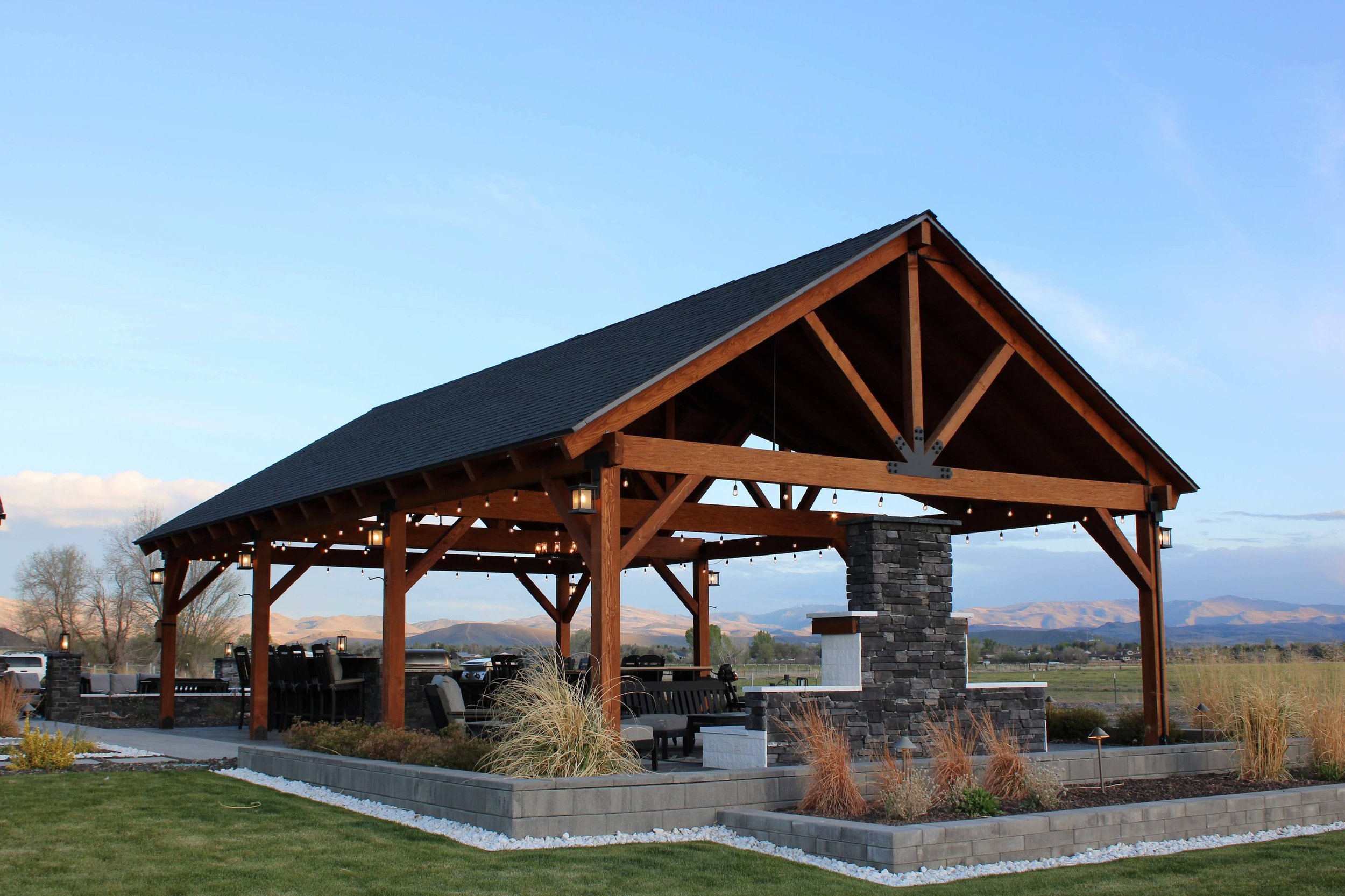
A pavilion is very similar to a pergola, with one key difference: the roof is fully covered rather than slatted. Pavilions are a popular choice for outdoor kitchens, large entertaining spaces, and covered patios. They provide maximum shade and weather protection, allowing homeowners to enjoy their outdoor living spaces throughout much of the year. One thing to consider when choosing a pavilion is that it typically requires a larger investment in both cost and planning. At Antonucci Lawn and Garden, we have created custom pavilions from the ground up. Our experience with the design and construction process helps make the project as stress-free as possible, so you can sit back, relax, and enjoy your new outdoor living space.
Gazebos
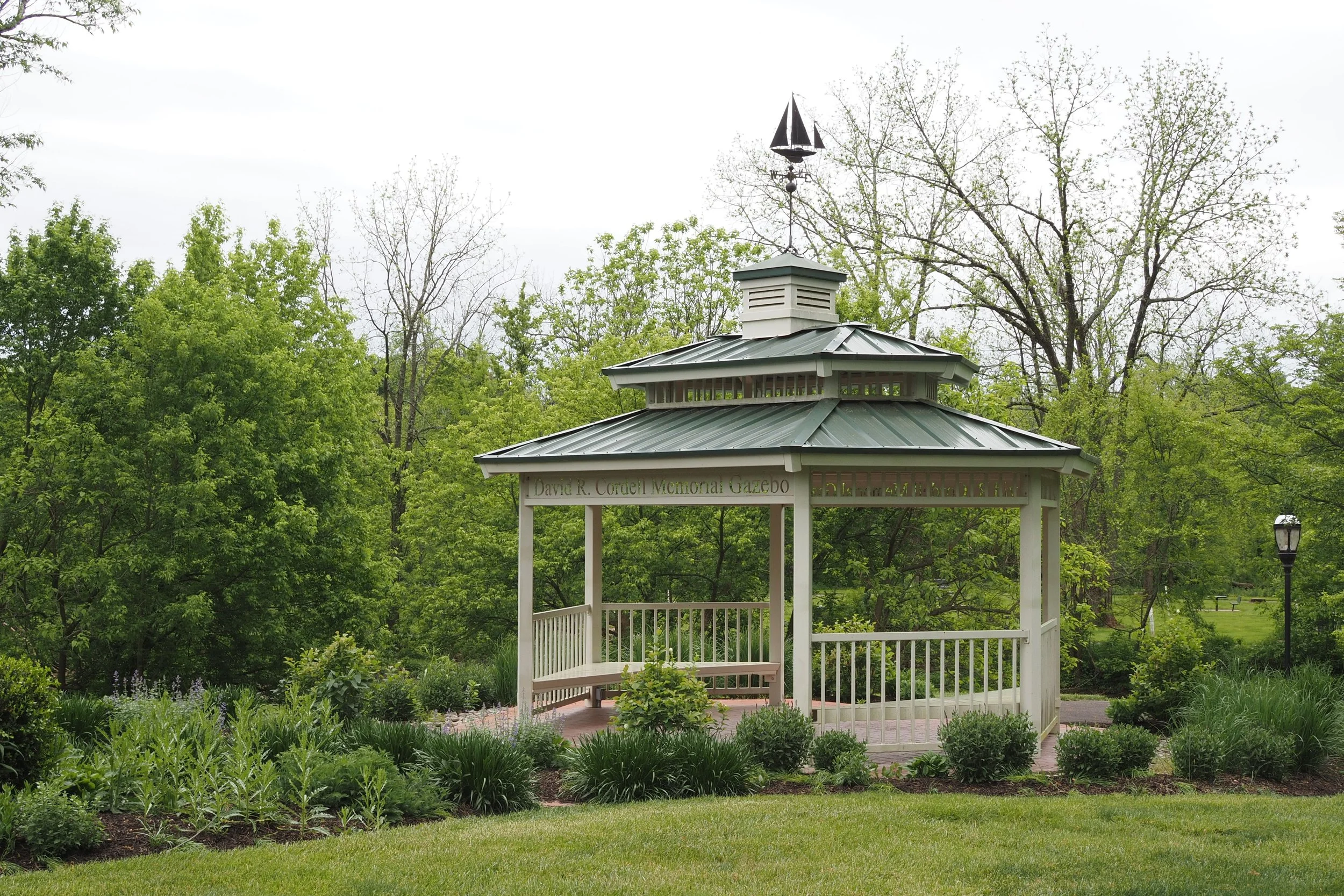
Gazebos are another popular shade structure. Unlike pergolas and pavilions, which are typically rectangular, gazebos are often round, octagonal, or hexagonal in shape. Like pavilions, they feature a solid roof that provides full overhead shade.The word gazebo is believed to come from the phrase "I shall gaze," reflecting its original purpose as a place to enjoy scenic surroundings. Gazebos make excellent garden focal points. Their 360-degree views create the perfect space to relax and take in the beauty of your landscape. They also add a classic, timeless look to any outdoor setting. It is important to keep in mind that gazebos are generally smaller than pavilions. They work best as destination features or cozy retreats rather than structures designed to cover large patios or entertaining areas.
Conclusion
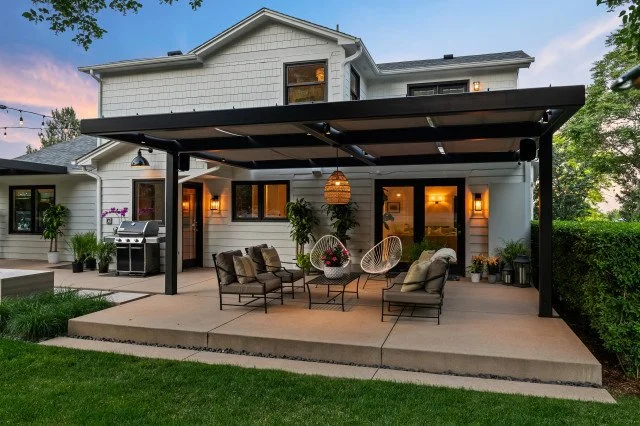
Every shade structure offers unique benefits, from the elegant design of a gazebo to the full coverage of a pavilion. Choosing the right one depends on how you plan to use your outdoor space, the amount of available space, and your overall budget. With thoughtful planning and professional design, the right shade structure can transform your backyard into a comfortable retreat that you'll enjoy for years to come.
At Antonucci Lawn and Garden, we're excited to help you bring your vision to life. Whether you're considering a pergola, pavilion, or gazebo, our team can help you choose the shade structure that's the perfect fit for your home and lifestyle.
About the Author
As one of Northern Nevada’s leading landscape companies, Antonucci Lawn & Garden offers fresh ideas and quality craftsmanship to improve outdoor living. Since 2009, Antonucci has been focused on enhancing beautiful landscaping. Whether starting from scratch or renovating an existing backyard, our knowledgeable staff and certified team of contractors will explain everything you need to build your perfect outdoor retreat.
