
Cottage Style Landscaping: Into a Fairytale
By: Rosalie Merriner
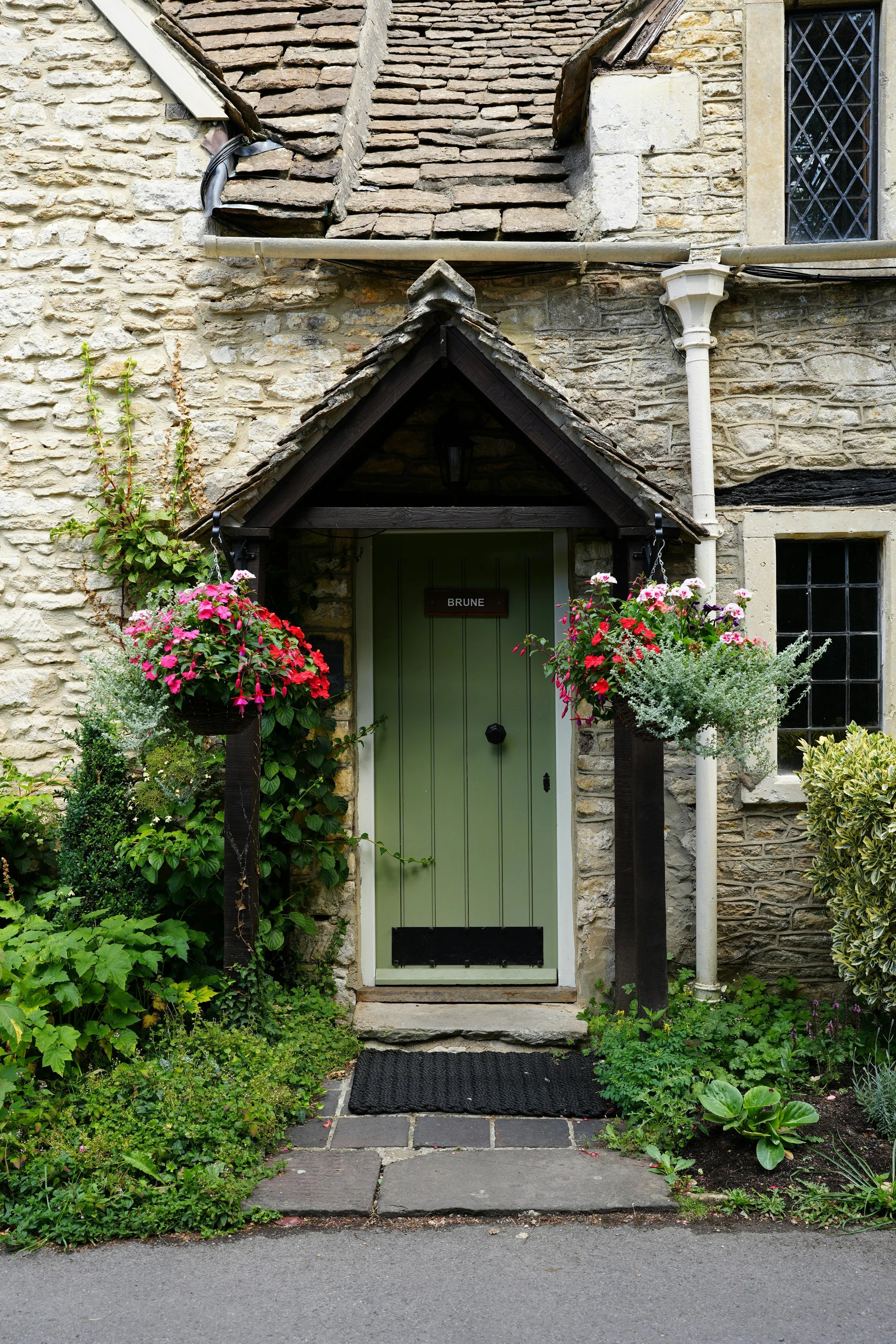
Cottage-style landscaping is on the rise. People are embracing more whimsical and vintage designs—not only inside their homes, but in their exteriors as well. Cottage-style landscaping is marked by romantic, colorful designs and layered textures created from a variety of plants. At the heart of the cottage style is the rose. Humans began cultivating roses thousands of years ago, as early as 3000 BCE in China. For centuries, roses have symbolized not only beauty, but love as well.
Today, we’re going to explore ways to take your yard to the next level with a cottage-style design.
Choose the Right Type of Roses
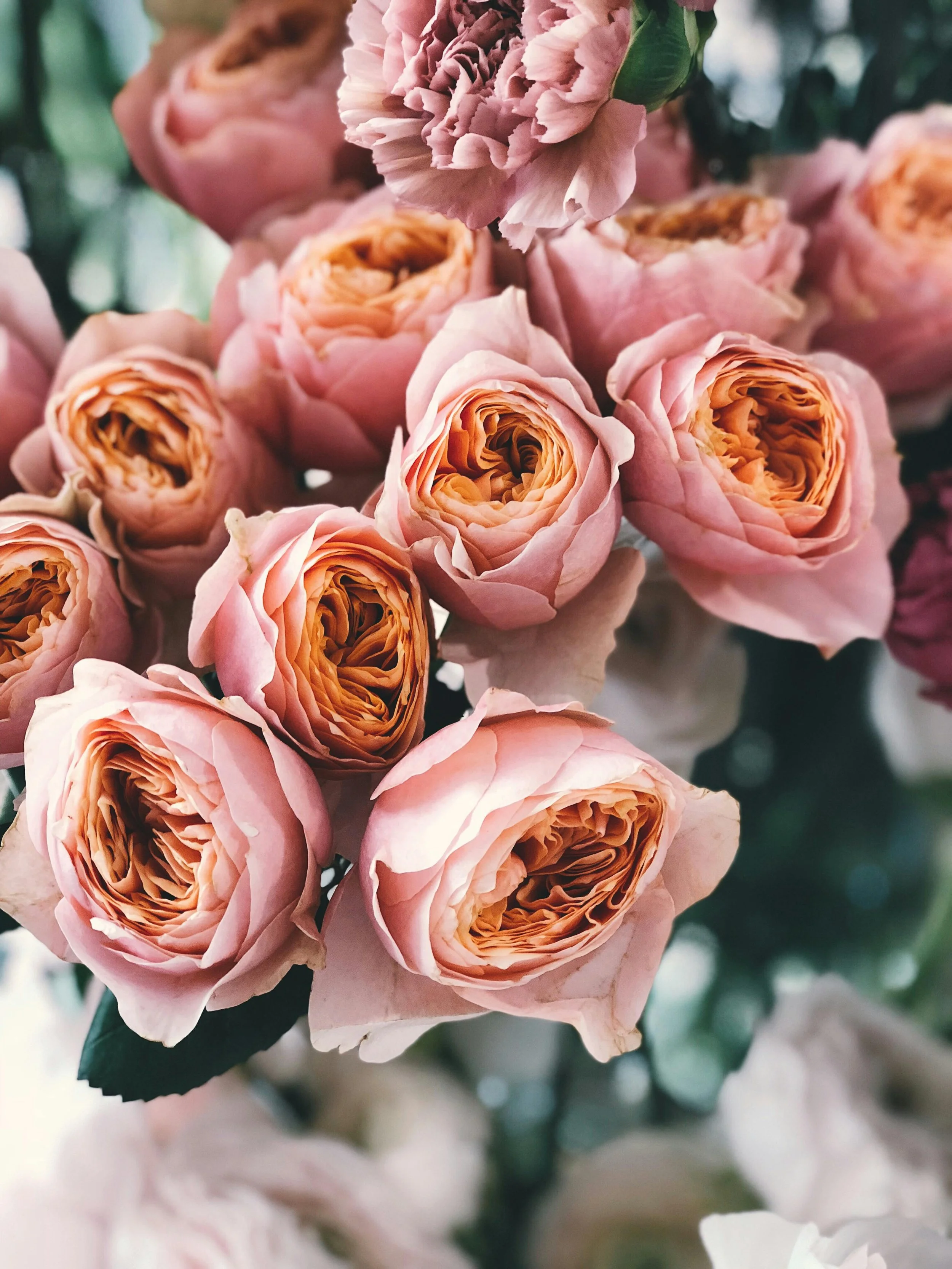
As previously mentioned, roses are at the heart of cottage-style landscaping. Today, there are thousands of cultivated varieties of roses. They vary in fragrance, size, color, and shape. Choosing the right rose for your space can help it feel soft and abundant.
If you have a trellis or pergola, climbing roses will add texture and beauty to the existing structure.
If you have a path that needs lining, shrub roses or old garden roses are sure to do the trick. The simple beauty of these varieties makes them perfect fillers.
If you need a statement plant, English roses are an excellent choice. They feature full, ruffled blooms that catch the eye and a fragrance that is sure to delight as well.
Embrace Curves, Not Straight Lines
A distinct trait of the cottage style is the use of curves. Symmetry and rigid lines are rarely seen. In this design approach, the landscaping is meant to flow—transporting you out of the everyday and into a fairytale.
Winding stone paths can lead to cozy sitting areas, while curved garden beds help maintain the aesthetic while adding softness and movement to the space.
Layer Densely (But Intentionally)
Cottage gardens feel full and lush. They are layered with varying heights, textures, and densities. However, plants are not placed haphazardly—they are arranged with intention and thoughtful design.
Often, taller plants like foxglove, hollyhocks, and delphinium are placed in the back. These are followed by mid-height bloomers such as peonies, lavender, and garden phlox in the middle. Shorter plants, like catmint and dianthus, fill the front—lining walkways and covering ground space.
Add Rustic Elements
Texture adds charm. To complete the cottage look, incorporate elements such as pergolas covered in roses, wooden fences lined with foliage, and garden benches surrounded by flowers. These details create a rustic, welcoming feel.
Accessories like birdbaths and weathered pots can further enhance the space, helping your garden feel as though it’s straight out of a storybook.
Final Thoughts
A cottage garden doesn’t aim for perfection—it celebrates abundance, romance, and natural beauty.
At Antonucci Lawn and Garden, we want to help you create a yard that surrounds you with the beauty of nature and transports you straight into a fairytale.
About the Author
As one of Northern Nevada’s leading landscape companies, Antonucci Lawn & Garden offers fresh ideas and quality craftsmanship to improve outdoor living. Since 2009, Antonucci has been focused on enhancing beautiful landscaping. Whether starting from scratch or renovating an existing backyard, our knowledgeable staff and certified team of contractors will explain everything you need to build your perfect outdoor retreat.
