
By: Rosalie Merriner
Fall has arrived, which means winter is not far behind! Winterizing your yard can seem overwhelming, but we have some tips and tricks to help you prepare your landscape properly and efficiently. Today, we are going to cover four simple steps to guide you through getting your yard ready for winter.
Winterize Your Irrigation System
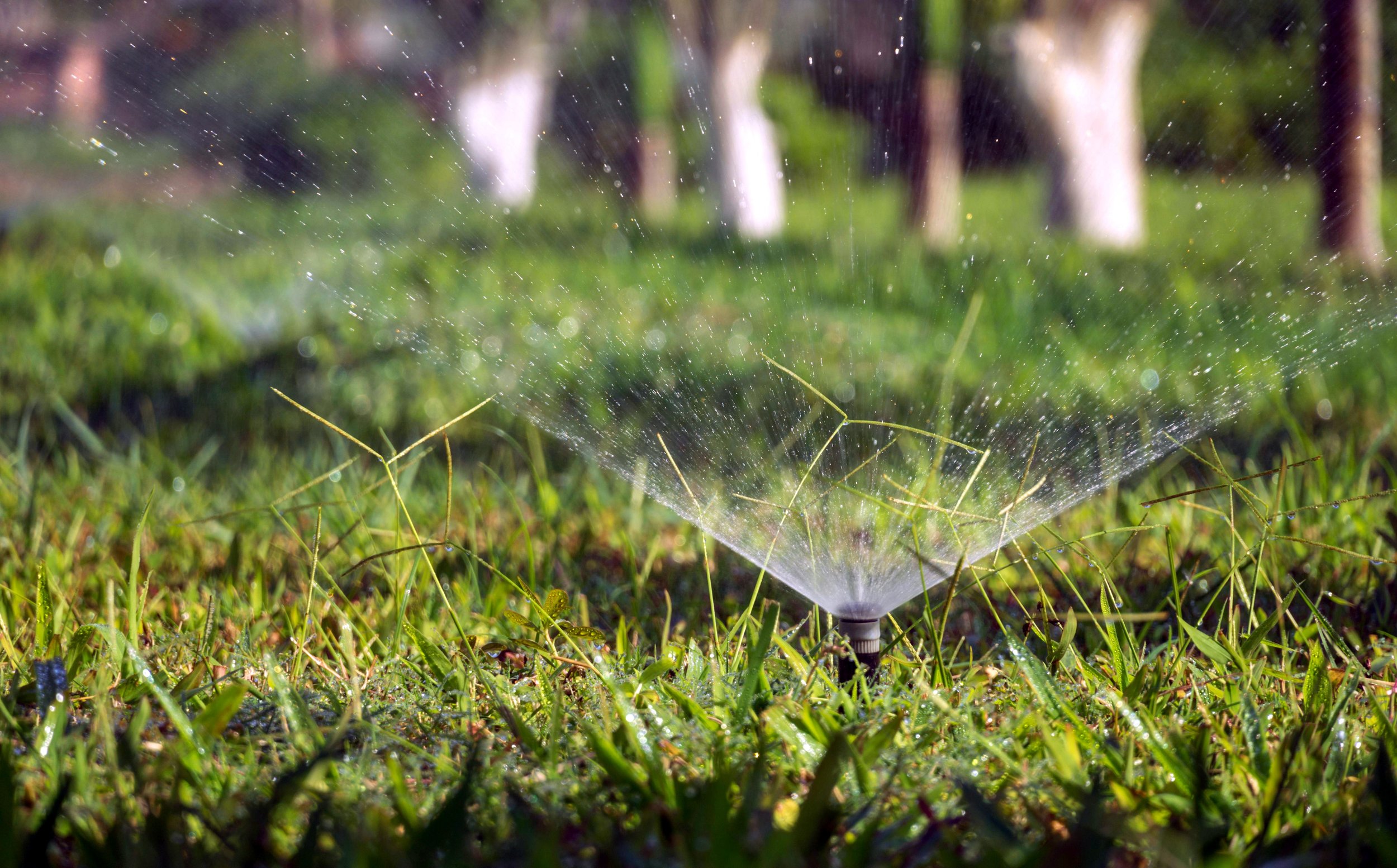
The first step to winterizing your yard is shutting down your irrigation system for the season. Start by turning off the irrigation water supply. Once the water is off, it is important to drain the system to prevent water from freezing inside the pipes. When water freezes, it expands by approximately 9% of its volume. If water becomes trapped in your irrigation system and freezes, it can cause pipes and other components to crack or break. To help prevent this type of damage, compressed air can be used to blow water out of sprinkler lines. This process is often best handled by a professional to avoid damaging the system. You should also disconnect and drain garden hoses and take steps to protect outdoor faucets and exposed pipes from freezing temperatures.
Clean Up Leaves and Debris
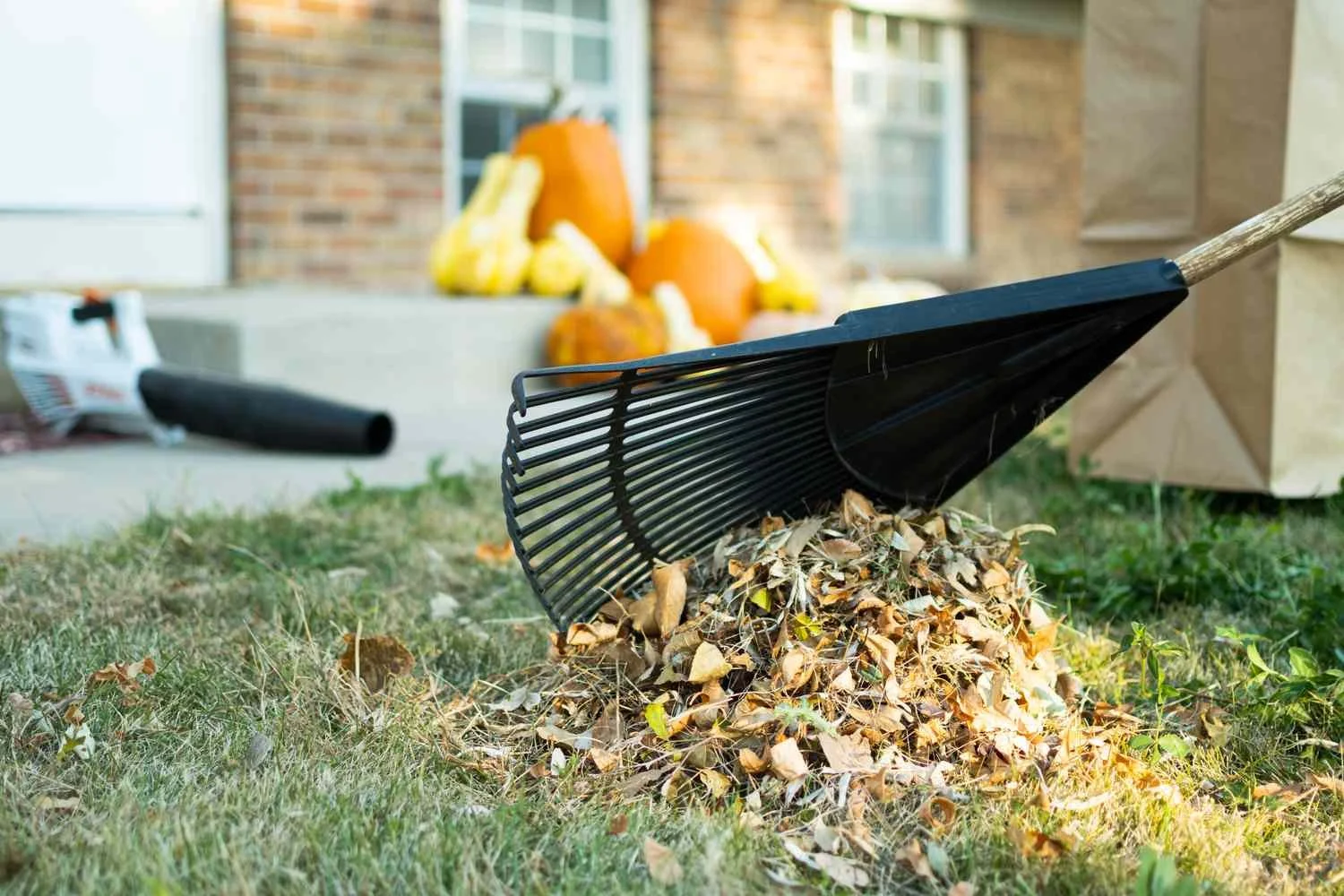
Next on the winterizing to-do list is cleaning up any leaves or other debris that have accumulated throughout the fall season. As fallen leaves become wet, they grow heavy and can smother your grass. Thick layers of leaves can also create an environment where lawn diseases develop. While preparing your yard for winter, this is also a great time to remove dead annuals, which are plants that do not return year after year. Removing leaves and other debris helps keep your yard looking tidy and gives your lawn and garden beds a healthier start when spring arrives.
Add Mulch Around Plants
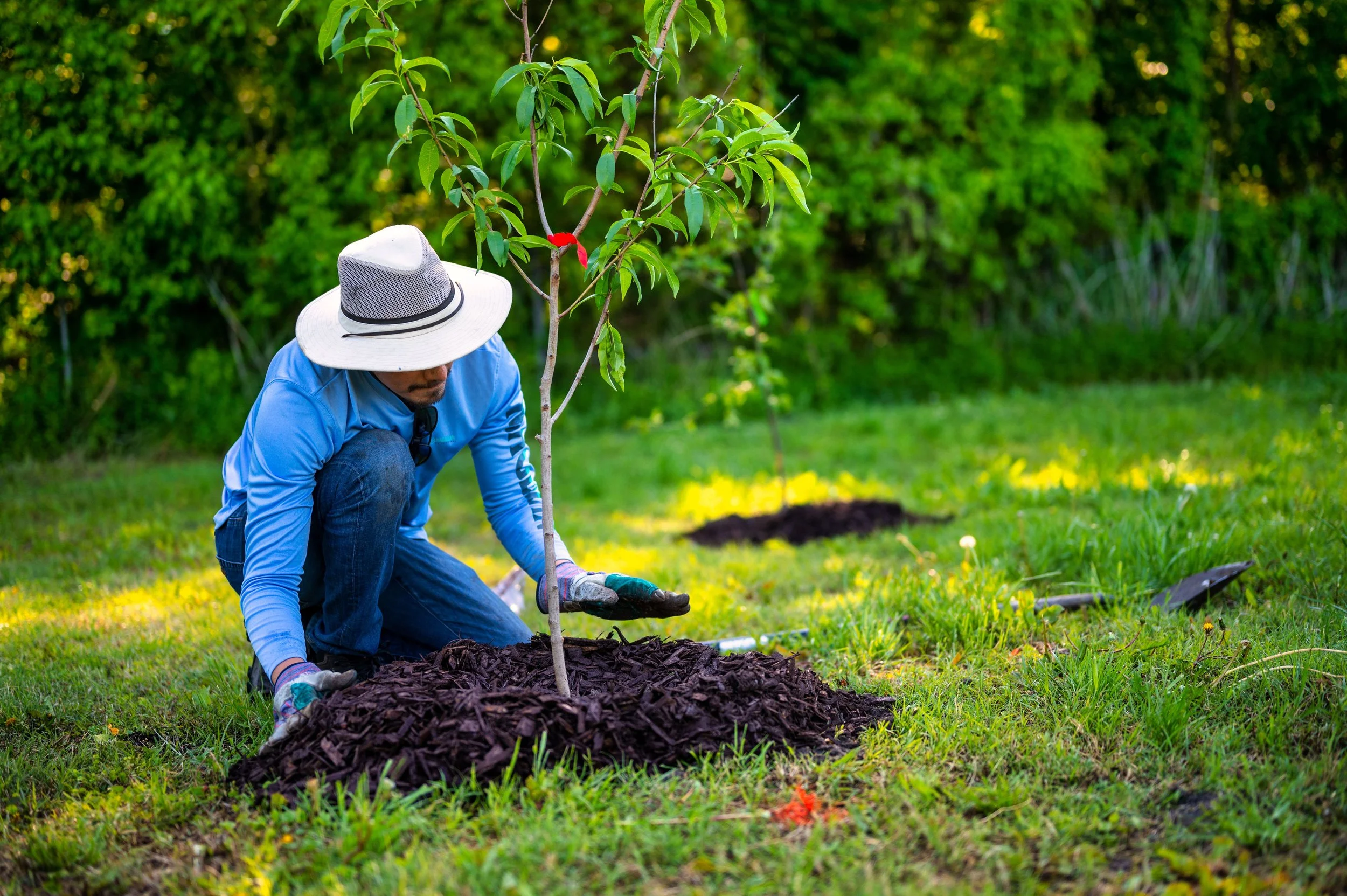
Mulching around plants is often overlooked until it is too late. Adding mulch around trees, shrubs, and perennial garden beds helps insulate plant roots and reduce temperature fluctuations throughout the winter. However, while mulch can be incredibly beneficial, applying it incorrectly can contribute to moisture buildup, disease, and rot around the bases of your plants.
Here is a quick guide to mulching properly so your plants receive the benefits of insulation without the risk of rot:
Trees and shrubs: Apply 2–4 inches of mulch, keeping it 3–6 inches away from the base of the tree or shrub.
Perennials and small plants: Apply 1–2 inches of mulch, keeping it 1–2 inches away from the base of the plant.
Refreshing existing mulch: Add just enough to reach the desired total depth. Avoid piling mulch too deeply, and never exceed 3 inches when topping off an existing layer.
Inspect Trees and Shrubs
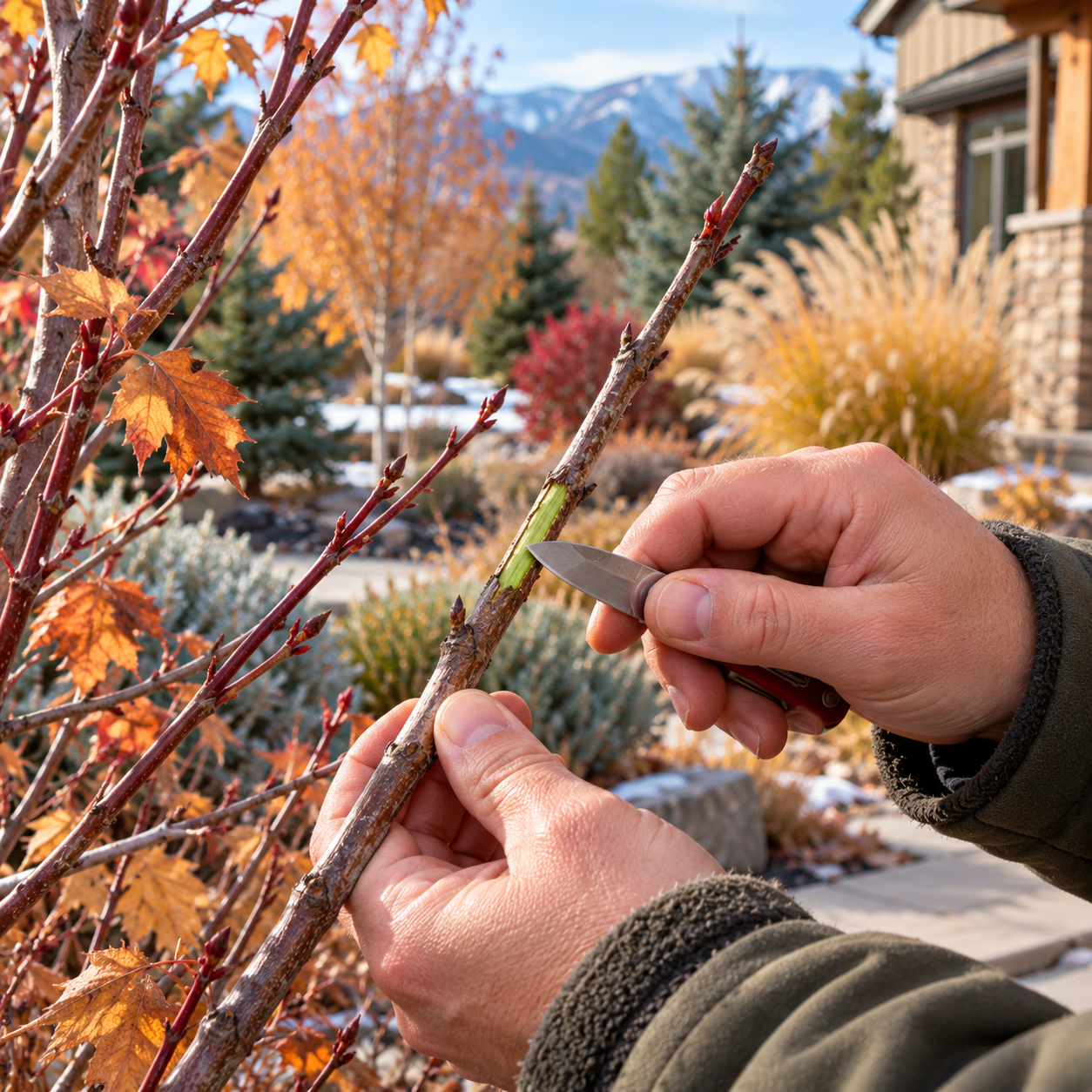
The next step is inspecting your trees and shrubs. Northern Nevada winters can bring heavy snow, ice, and strong winds, which can create problems when trees have hazardous, damaged, or dead branches. Although heavy pruning is generally best left for the appropriate season for each tree or shrub, removing hazardous or dead branches can help protect your home and surrounding property. One way to check whether a small branch is dead or simply dormant is to perform a scratch test. Using your fingernail or a small pocketknife, gently scratch away a small patch of the outer bark on a twig or branch. If the layer underneath is moist and green, the branch is likely still alive. If it is dry and brown, the branch may be dead. Keep in mind that a scratch test is not always conclusive, so check multiple branches if you are unsure. If you notice large dead branches, significant damage, or limbs hanging over your home, consider contacting a qualified tree care professional to assess the situation before winter storms arrive.
Conclusion
Northern Nevada winters can be intense and unpredictable. Preparing your yard for the colder months may seem overwhelming at first, but following these four simple steps can help protect your landscape and reduce the risk of winter damage.
At Antonucci Lawn & Garden, we focus on designing and installing outdoor spaces that are built with Northern Nevada’s climate in mind. Thoughtful plant selection, smart irrigation design, proper placement, and durable landscape features can make seasonal care easier and help set your yard up for success year after year.
A well-designed landscape should not only look beautiful and function well during the warmer months, it should also be easier to prepare for winter when the seasons change.
