
Landscaping Around the World: Greece
By: Rosalie Merriner
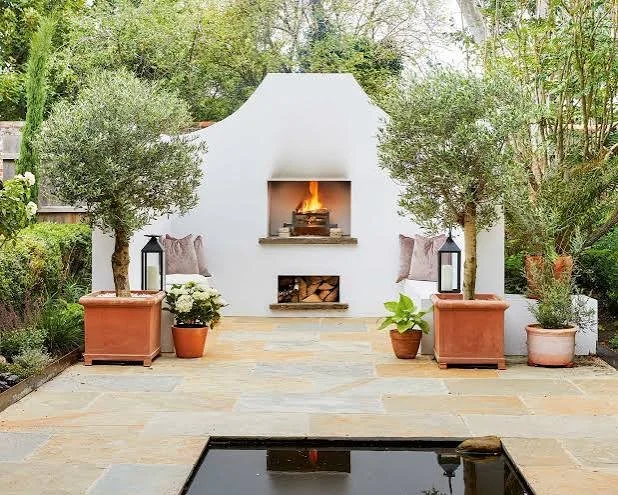
What is a country made up of approximately 6,000 islands? If you guessed Greece, you would be correct! Welcome back to our series, Landscaping Around the World, where every month, we take a closer look at the landscaping styles of different countries. So far, we have been all over the map, and today, we are heading to Greece! Greece is an incredibly mountainous country surrounded by the Mediterranean Sea, and its geography and climate heavily influence its landscaping styles. Today, we are going to take a closer look at traditional Greek courtyard gardens and the elements that make this style so unique.
Enclosed Courtyards
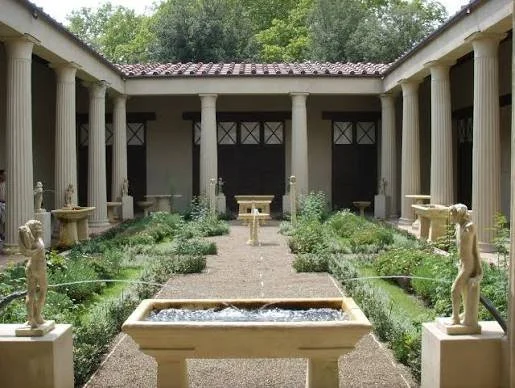
These courtyards create the perfect place for hosting guests or simply enjoying time outdoors. Hospitality is deeply woven into Greek culture, with people often welcoming others into their homes with open arms. Whether it is sharing a meal or offering protection, inviting people into the home is a meaningful way of extending generosity to those around you. Traditional Greek courtyards are typically surrounded by walls, homes, or other buildings. This not only creates a sense of privacy but also provides protection from the intense Mediterranean sun and strong coastal winds. By enclosing the space, courtyards can become comfortable outdoor rooms where people can gather, relax, and enjoy time together.
Potted Plants
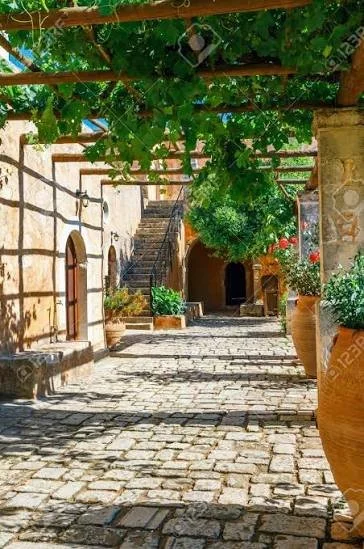
A unique aspect of traditional Greek courtyard gardens is the use of potted plants. While many plants are commonly planted directly into the ground, containers are especially useful in courtyards where planting space may be limited. Terracotta and ceramic pots are popular choices and add warmth and character to the space. These containers can be used for many different types of plants, with flowers and herbs being especially common. Herbs can easily be brought into the kitchen for cooking, while flowers can be used to add color to outdoor dining areas and tables. Small trees can also be grown in pots, which can be particularly convenient when space is limited or when plants need additional protection from the elements.
Mediterranean Plants
Although they are thousands of miles apart, Northern Nevada and Greece actually have some surprising similarities. Both regions have rugged mountains, abundant sunshine, and landscapes where drought-tolerant plants can be especially valuable. Greece's location along the Mediterranean Sea greatly influences the plants that thrive there, while Northern Nevada's dry climate creates some similar growing conditions.
Here is a brief list of plants that can be found in Greek landscapes and can also have a place in Northern Nevada gardens:
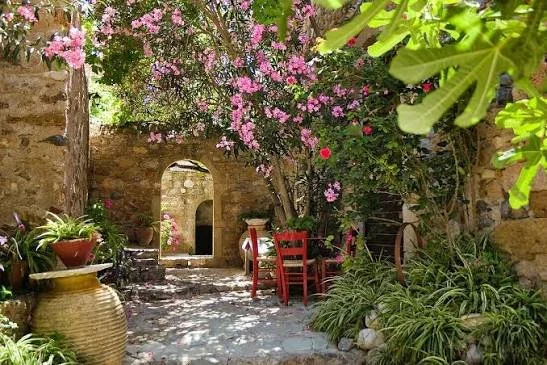
Olive Trees – Olive trees are one of the most iconic plants associated with Greece. They are valued for their silvery-green foliage, Mediterranean appearance, and edible fruit. In Northern Nevada, olive trees can be challenging because of our cold winter temperatures, but hardier varieties may be grown in protected locations or containers that can be moved indoors during freezing weather.
Lavender – Lavender adds soft purple flowers and a pleasant fragrance to Greek gardens. It thrives in sunny, well-drained areas and is highly drought-tolerant once established. Lavender is also an excellent choice for Northern Nevada because it handles our dry climate, abundant sunshine, and well-drained soils exceptionally well.
Rosemary – Rosemary is a hardy Mediterranean herb with fragrant, evergreen foliage. It can be used as a low shrub, border plant, or hedge in a courtyard garden. In Northern Nevada, rosemary can do well in protected, sunny areas, although cold winters may cause damage. Choosing a sheltered location can help give the plant a better chance of surviving.
Thyme – Thyme is a low-growing herb that works well between stones, along pathways, or around garden edges. It is drought-tolerant and can handle sunny conditions, making it well suited to Northern Nevada's dry climate. Its small flowers can also attract pollinators.
Geraniums – Geraniums add bright pops of color to traditional Greek courtyards and are especially well suited to containers. In Northern Nevada, they can thrive during the warmer months but are not reliably winter-hardy. Because of this, they are often treated as annuals or brought indoors when temperatures drop.
Conclusion
Greek courtyard gardens show how a landscape can be simple without being plain. With enclosed spaces, potted plants, Mediterranean greenery, and comfortable areas for gathering, these gardens are designed around both beauty and everyday life. Rather than focusing on large, elaborate landscapes, the Greek courtyard emphasizes making the most of a smaller space and creating an inviting place to spend time with others. In many ways, this relaxed and functional approach is what makes traditional Greek courtyard gardens so timeless—and it is a style that can inspire homeowners here in Northern Nevada, too.
About the Author
As one of Northern Nevada’s leading landscape companies, Antonucci Lawn & Garden offers fresh ideas and quality craftsmanship to improve outdoor living. Since 2009, Antonucci has been focused on enhancing beautiful landscaping. Whether starting from scratch or renovating an existing backyard, our knowledgeable staff and certified team of contractors will explain everything you need to build your perfect outdoor retreat.
