
Landscaping Around the World: Mexico
By: Rosalie Merriner
Welcome back to our series, Landscaping Around the World! I hope you brought your passport because today, we are taking a deeper look at a popular landscaping style from Mexico! Mexico has many different landscaping styles, ranging from modern to colonial and even ranch-style landscapes. Today, we are going to take a closer look at the hacienda style. A hacienda is a large country estate, ranch, or plantation. The style is characterized by stucco walls, stone, brick, tile, fountains, and arched walkways, while incorporating colorful pottery and a variety of plants. Together, these elements create a landscape that feels warm, inviting, and connected to the surrounding architecture.
Courtyards as the Centerpiece
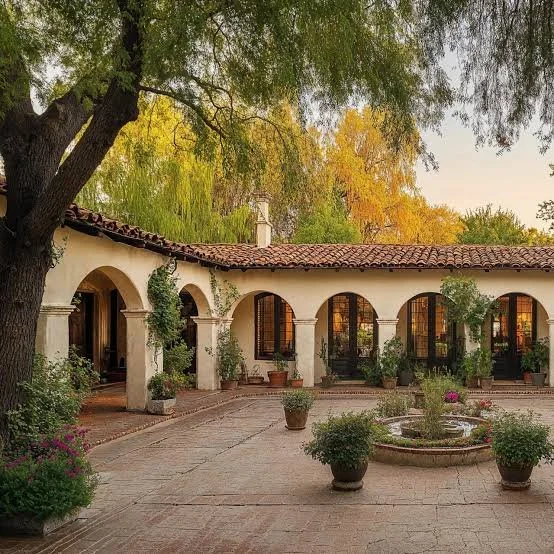
In the hacienda style, courtyards are often the focal point of the space. Traditionally, courtyards are enclosed, helping to define the space while also providing privacy. These courtyards can be used for entertaining, relaxing, and gathering with family and friends. The architectural elements of this design are what make it so unique. Stucco is a popular material in hacienda landscapes because it is durable and can help protect the structure from the elements. Arches are another common design feature. They can be incorporated into doorways, walkways, and garden entrances, adding to the enclosed and intimate feeling of the space. Terracotta is also a popular addition to the hacienda style. Whether used in the form of tiles, pots, or other decorative elements, its warm orange color adds a distinct sense of warmth to the landscape. These warm colors and hardscape elements create the foundation of the design. Once plants are added, the space truly begins to come to life.
Plants and Color
Plant choices in this style are intentional while still maintaining an organic feel. Native plants make up a portion of the plant palette, but they are not the only focus. Due to Spanish Colonial influence beginning in the 1500s, plants from other parts of the world were introduced and eventually became part of Mexican gardens.
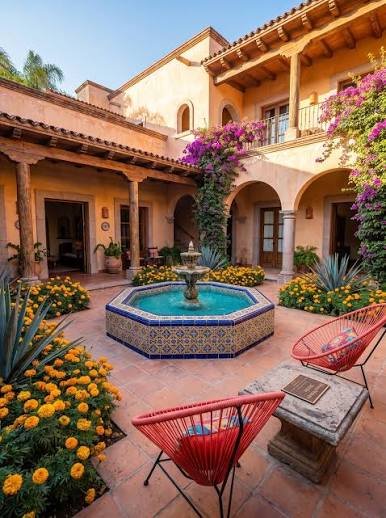
Plants are selected for qualities such as color, fragrance, shade, and their ability to complement the surrounding architecture. The goal is to create a landscape where the plants, hardscape, and home all work together. Here are some plants commonly associated with hacienda-style landscapes:
Agaves – Agaves are well suited to many Mexican landscapes because Mexico is a major center of agave diversity. Their architectural, spiky form provides strong visual structure against stucco walls and stone. They are also drought tolerant once established, making them practical for hot, dry regions.
Yuccas – Yuccas provide a bold, upright shape that works well alongside the horizontal lines of patios and courtyards. Their sword-like leaves provide year-round interest, while their tall flower stalks add seasonal color.
Bougainvillea – Bougainvillea is one of the plants that can give a hacienda garden its bright, recognizable color. Its vibrant pinks, purples, reds, oranges, and whites contrast beautifully with traditional white or earth-toned stucco.
Citrus Trees – Citrus trees bring both ornamental and practical value to a hacienda landscape. Their glossy green foliage and fragrant blossoms provide visual interest, while their fruit can be harvested for cooking and drinks.
Palms – Palms provide height, shade, and a strong sense of place. Their tall trunks and distinctive foliage can frame courtyards, entryways, patios, or pools. They help create the relaxed, warm-climate atmosphere often associated with Mexican haciendas.
Outdoor Living
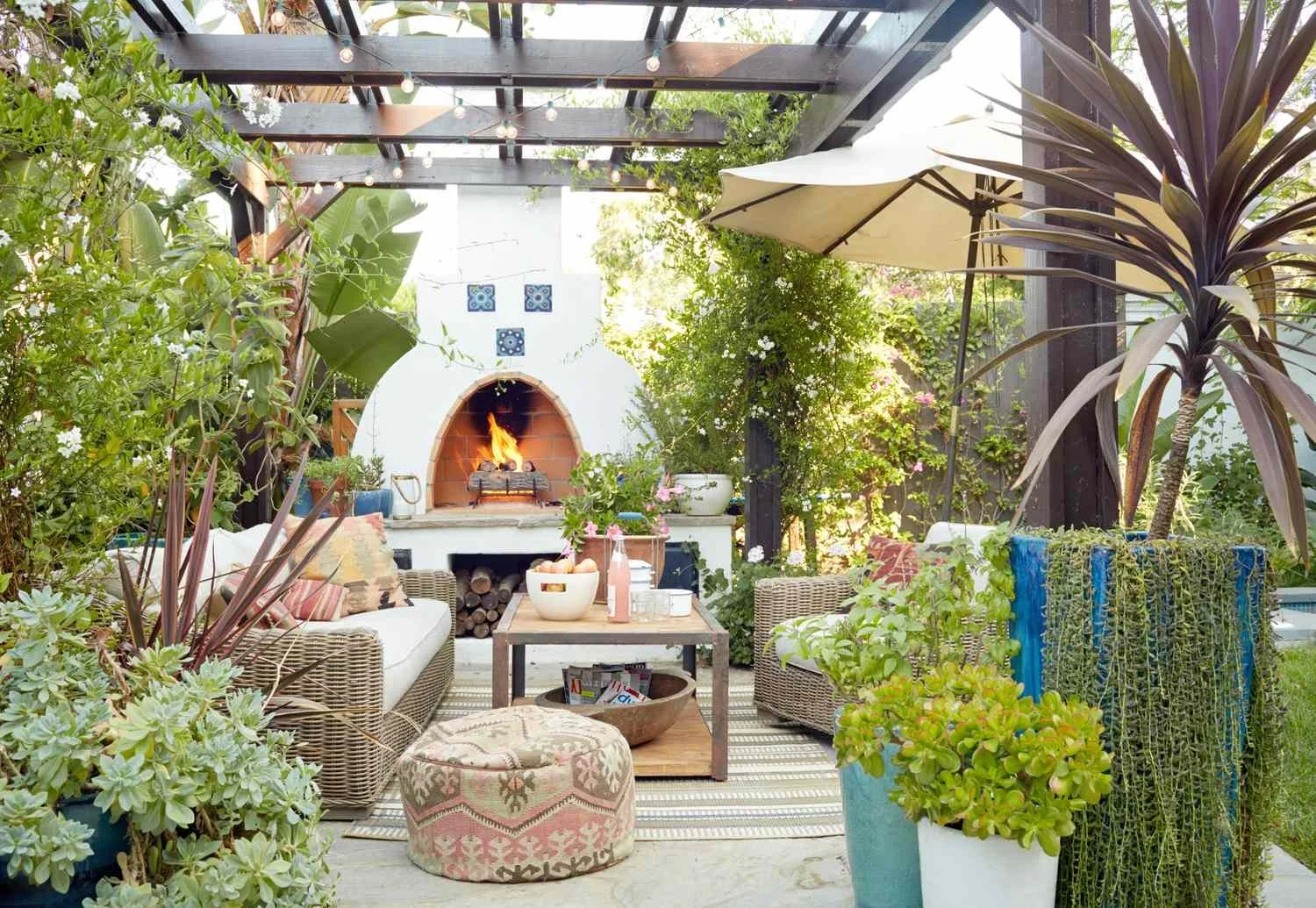
In Mexican culture, hospitality is often associated with warmth, generosity, and treating guests like family. This idea is reflected in the well-known saying, “Mi casa es su casa,” meaning “My home is your home.” A hacienda courtyard embraces this philosophy by creating a welcoming outdoor space where people can gather and spend time together. Having a space where people can gather is a major part of Mexican culture, making outdoor living an important component of the hacienda style. Patios and shaded seating areas create comfortable places for entertaining, dining, and relaxing. Shade is particularly important in this design. Much like Northern Nevada, many parts of Mexico experience intense summer heat, making shaded outdoor spaces especially valuable. Pergolas are a great addition to hacienda-style landscapes because they provide shade while still allowing sunlight and air to filter through. Outdoor kitchens and dining areas can also serve as an extension of the home. Whether hosting a large gathering or enjoying a quiet meal with family, these spaces make the landscape feel like another room of the house.
Bringing the Hacienda Style to Northern Nevada
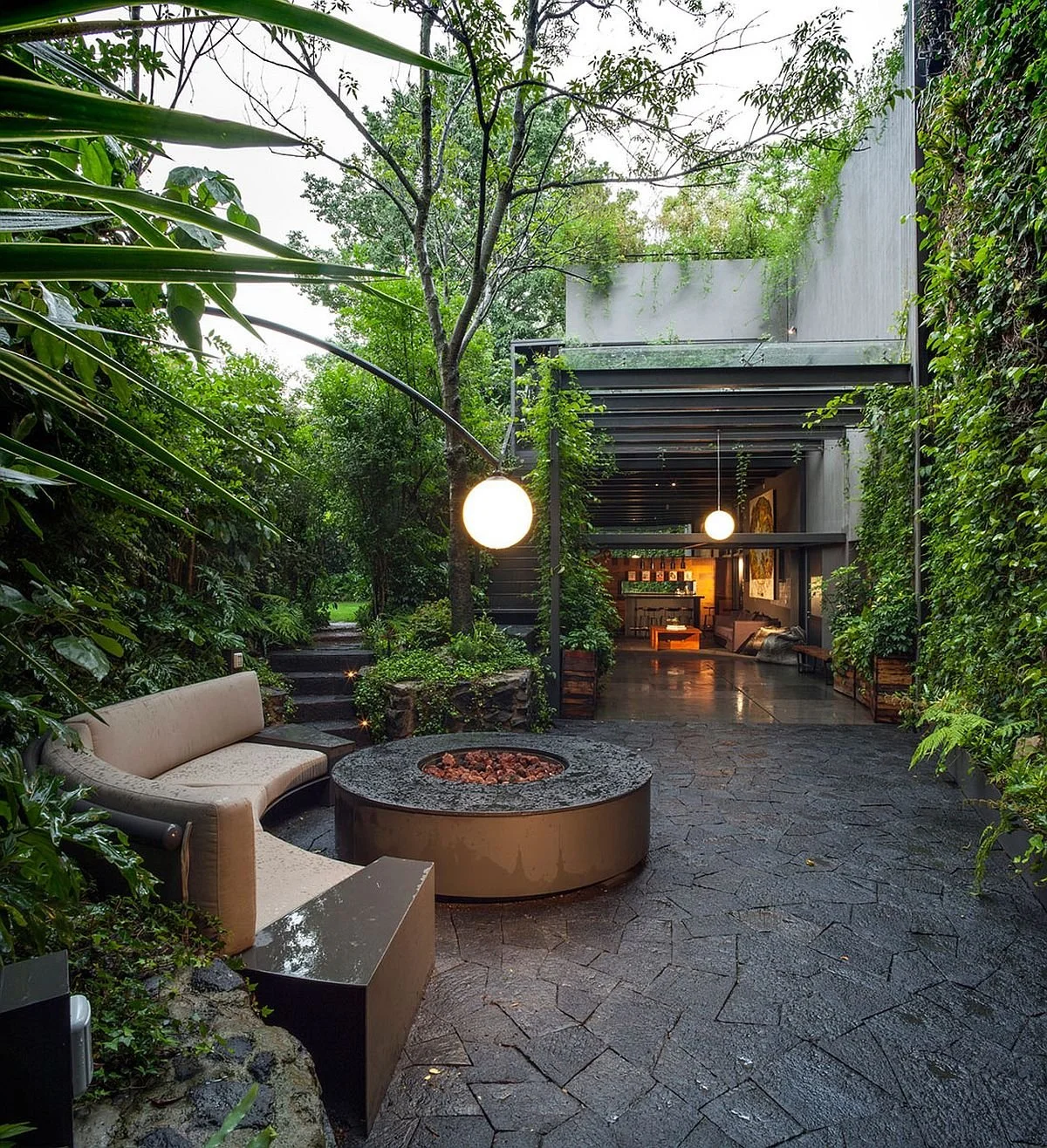
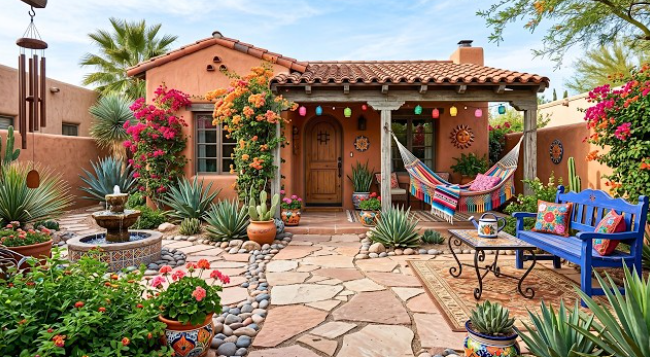
Although the traditional Mexican hacienda style developed in a different climate, many of its design principles can work beautifully in Northern Nevada. The emphasis on courtyards, shade, outdoor living, natural materials, and drought-tolerant plants makes the style adaptable to our high-desert environment. For a Northern Nevada hacienda-inspired landscape, homeowners can incorporate stucco walls, natural stone, terracotta-inspired materials, arches, pergolas, and enclosed patios to create the warm architectural feeling of the style. A Northern Nevada interpretation does not have to copy a traditional Mexican hacienda exactly. Instead, it can take the elements that define the style—warm materials, inviting gathering spaces, architectural structure, and thoughtful plant choices—and adapt them to our local climate. The result is a landscape that captures the welcoming spirit of the hacienda while remaining practical for life in the high desert.
About the Author
As one of Northern Nevada’s leading landscape companies, Antonucci Lawn & Garden offers fresh ideas and quality craftsmanship to improve outdoor living. Since 2009, Antonucci has been focused on enhancing beautiful landscaping. Whether starting from scratch or renovating an existing backyard, our knowledgeable staff and certified team of contractors will explain everything you need to build your perfect outdoor retreat.
