Pollinator Friendly Plants to Add to Your Yard
By: Rosalie Merriner
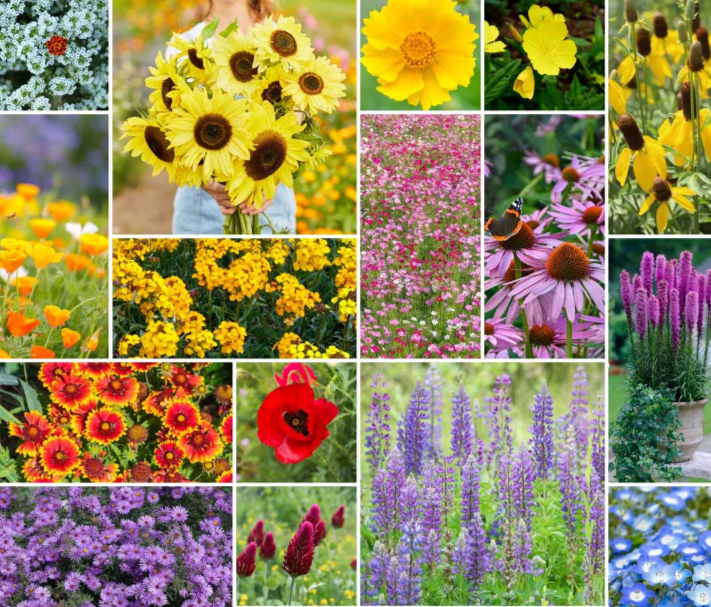
Pollinators are one of the most important parts of our environment. Countless plants depend on pollinators to reproduce, including flowers, fruits, vegetables, and even trees. In fact, about one out of every three bites of food we eat exists because of pollinators. Here in Northern Nevada, bees, butterflies, and hummingbirds are some of the most common pollinators you'll see. One of the easiest ways to support these important creatures is by incorporating pollinator-friendly plants into your landscape. Today, we're taking a closer look at five plants that can help pollinators thrive right in your own backyard.
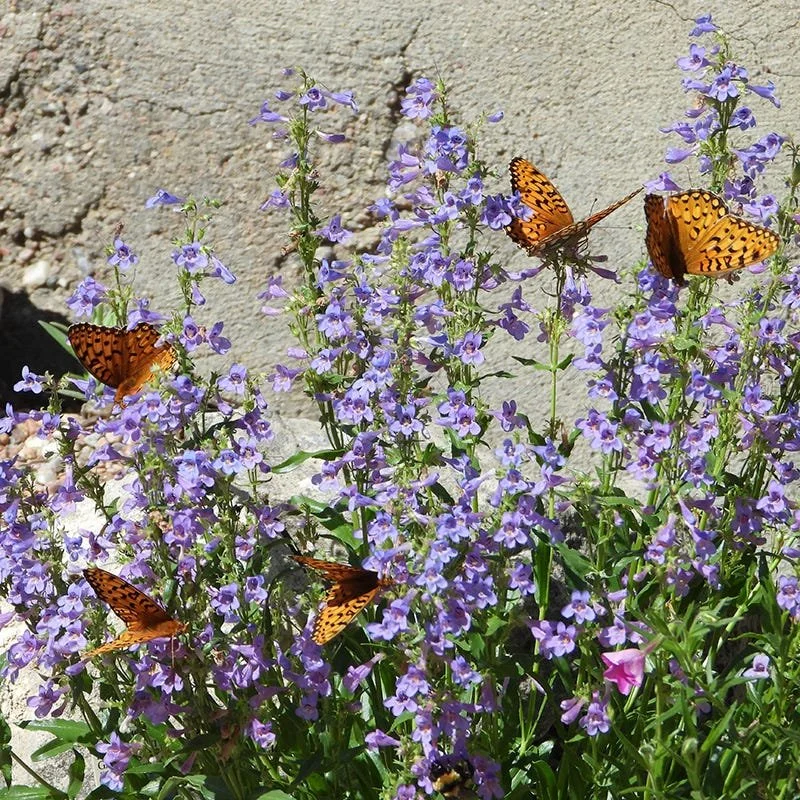
Rocky Mountain Penstemon (Penstemon strictus)
Rocky Mountain penstemon is a beautiful native perennial known for its striking blue-purple flowers. It blooms from late spring into early summer and is a favorite of hummingbirds and native bees. In addition to attracting pollinators, this hardy plant offers excellent drought and cold tolerance, making it an ideal choice for Northern Nevada landscapes. Homeowners also appreciate its low-maintenance beauty.
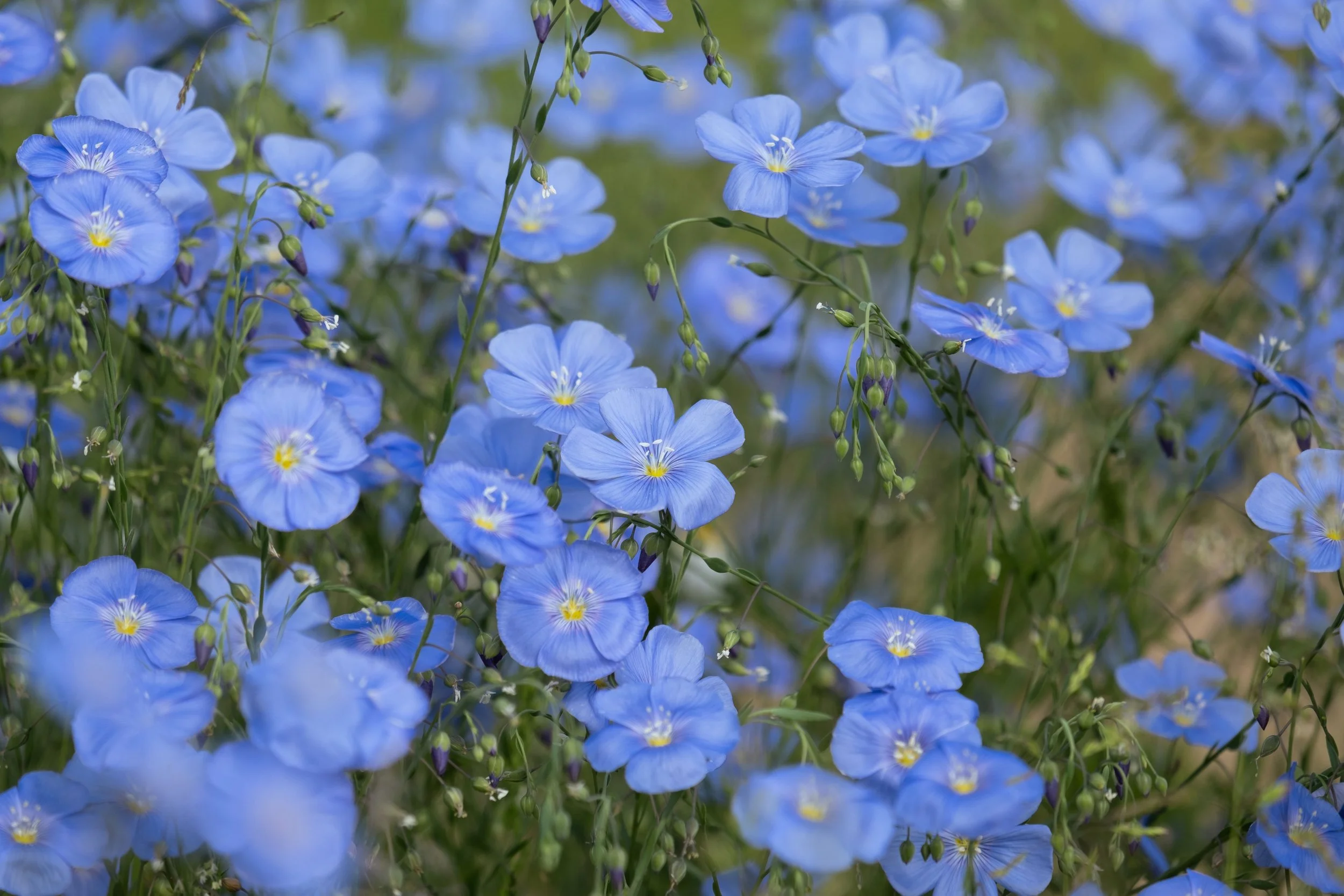
Wild Blue Flax (Linum lewisii)
Wild blue flax, also known as Lewis flax or prairie flax, is another native perennial wildflower that blooms from spring into early summer. Its delicate blue flowers attract both bees and butterflies while adding a soft splash of color to the landscape. This resilient plant thrives in poor soil conditions and requires very little maintenance, making it an excellent option for high-desert gardens.
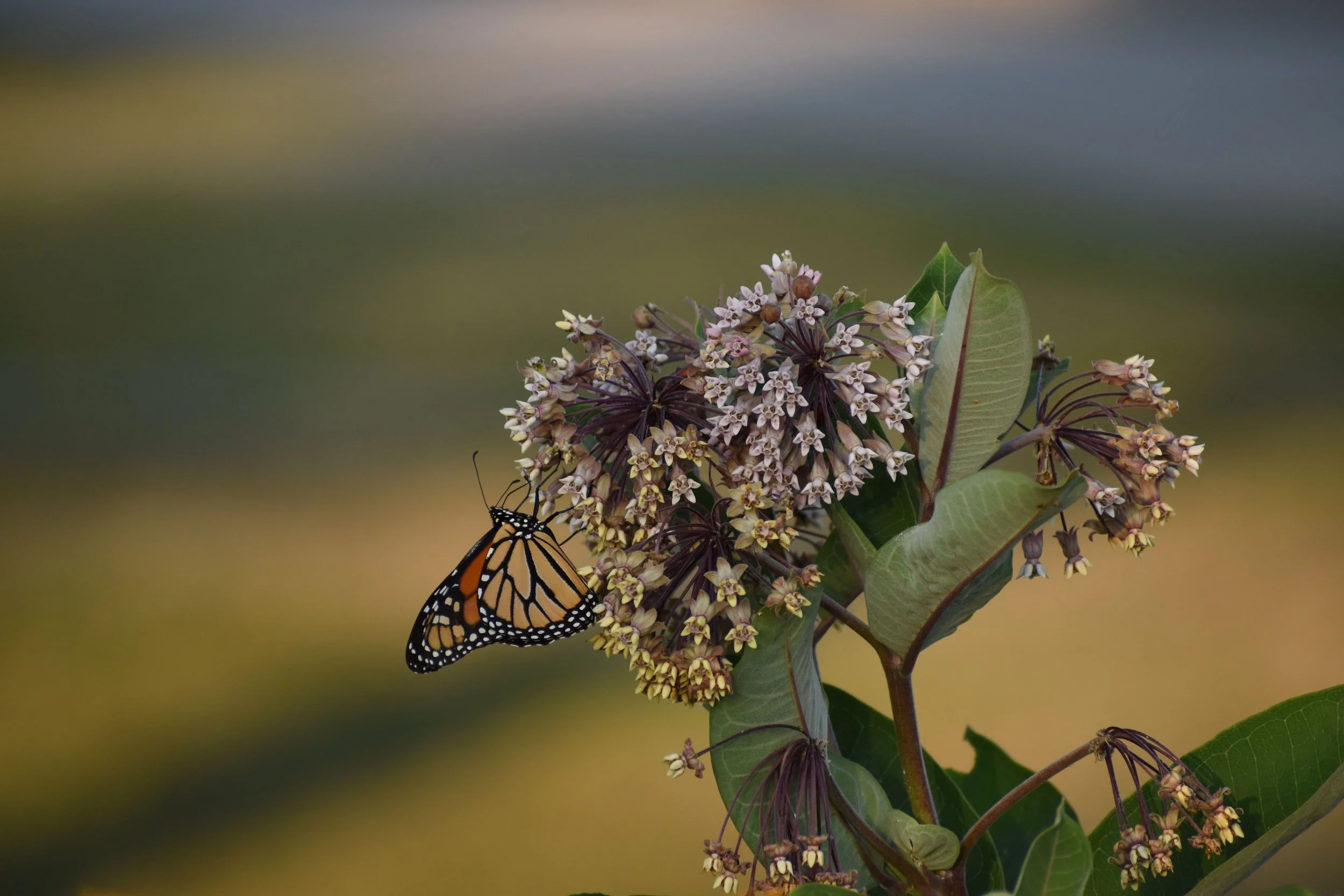
Showy Milkweed (Asclepias speciosa)
Showy milkweed is native to Northern Nevada and much of the western United States. Blooming from early to mid-summer, it plays a vital role in the life cycle of the monarch butterfly. Monarch butterflies lay their eggs on milkweed, and once the caterpillars hatch, they feed exclusively on its leaves. This diet makes the caterpillars—and eventually the butterflies—distasteful to predators, helping protect them as they mature. Planting milkweed is one of the best ways to support monarch populations.
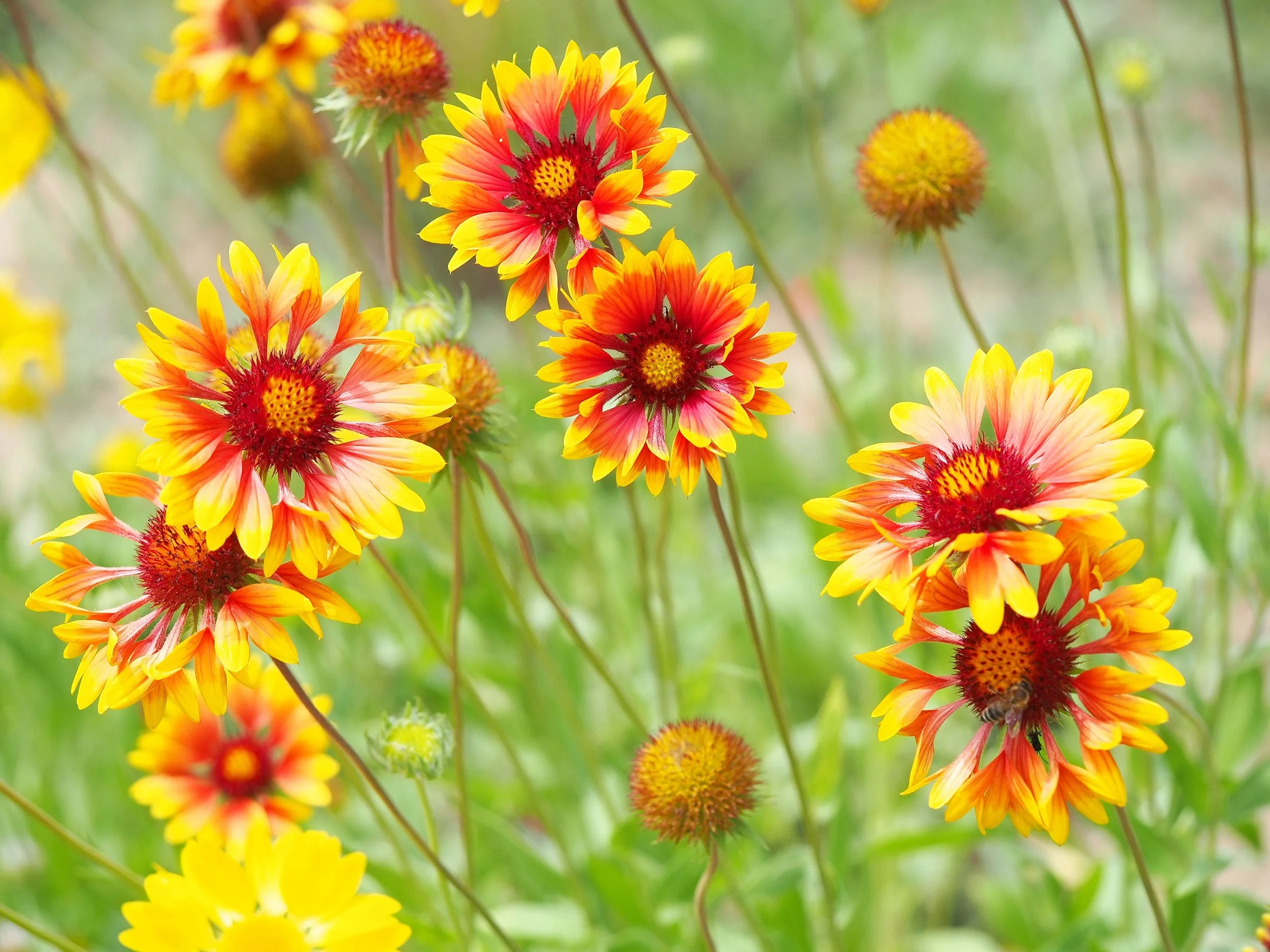
Blanket Flower (Gaillardia aristata)
Blanket flower is a vibrant native wildflower that blooms from summer well into fall, providing pollinators with a reliable nectar source later in the growing season. Bees and butterflies are especially fond of its colorful blooms. Because of its long flowering period and exceptional drought tolerance, blanket flower is a popular choice for homeowners looking to add lasting color while supporting local pollinators.
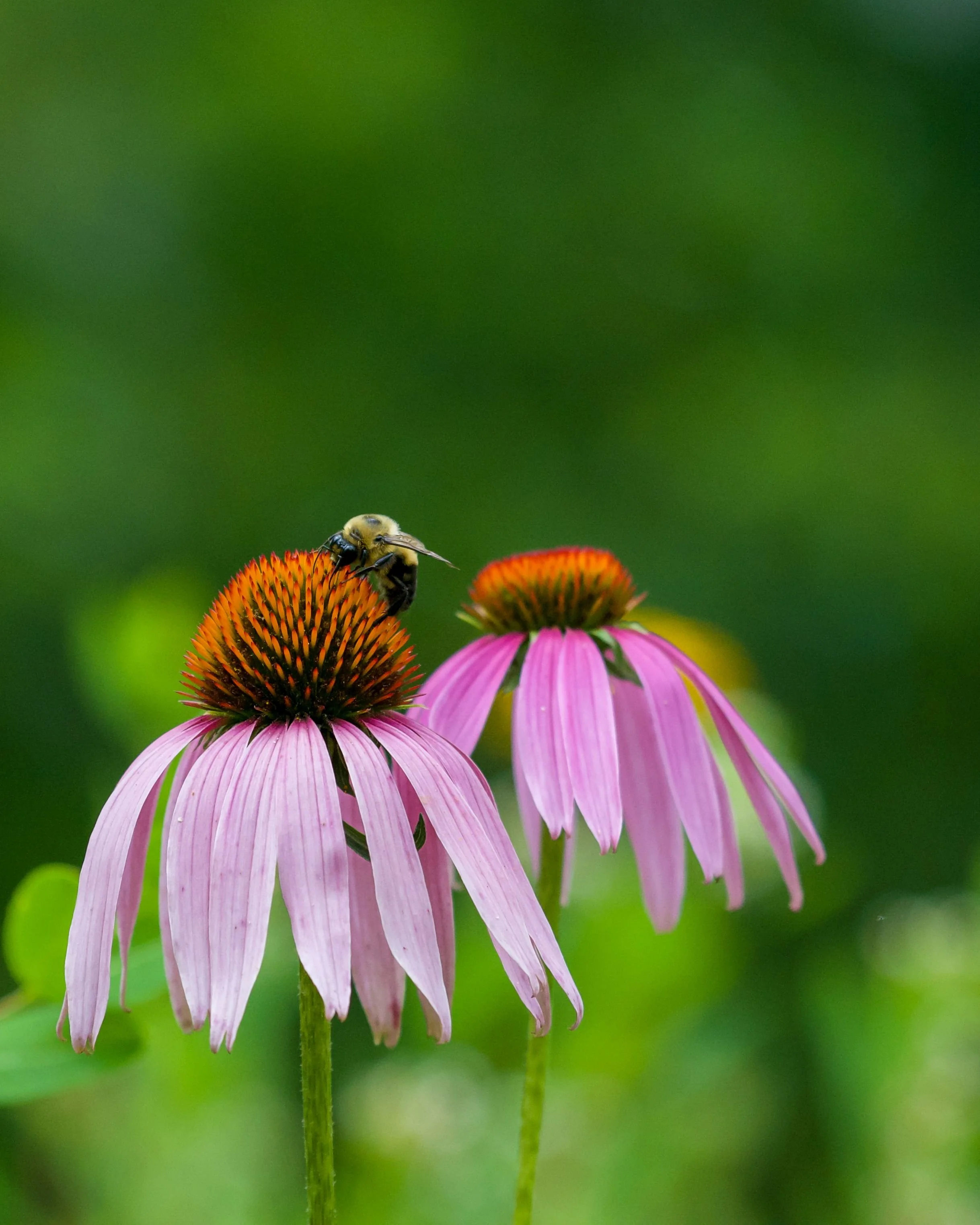
Purple Coneflower (Echinacea purpurea)
Purple coneflower is another hardy perennial that performs well in Northern Nevada's climate. It blooms throughout the summer and attracts bees, butterflies, and seed-eating birds. Even after the flowers have faded, the seed heads provide a valuable food source for birds during the winter months. As an added bonus, purple coneflower is edible for people as well. Its flowers and leaves are commonly used to make herbal tea, and the petals can even be added to salads.
Conclusion
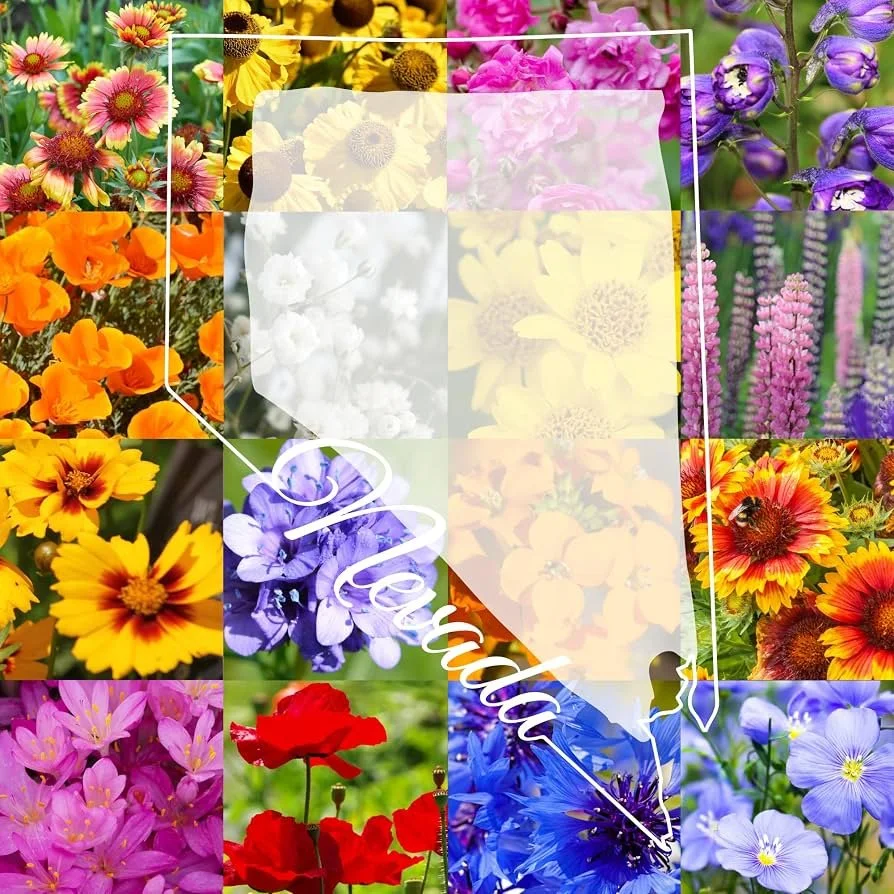
Adding pollinator-friendly plants to your landscape is a simple way to make a lasting impact on the environment while creating a beautiful, colorful yard. These hardy plants are well-suited to Northern Nevada's climate, requiring minimal maintenance while providing food and habitat for bees, butterflies, hummingbirds, and other beneficial wildlife. Whether you're planting an entire pollinator garden or simply adding a few flowers to an existing landscape, every plant helps. By supporting pollinators, you're helping create a healthier ecosystem—one bloom at a time.
About the Author
As one of Northern Nevada’s leading landscape companies, Antonucci Lawn & Garden offers fresh ideas and quality craftsmanship to improve outdoor living. Since 2009, Antonucci has been focused on enhancing beautiful landscaping. Whether starting from scratch or renovating an existing backyard, our knowledgeable staff and certified team of contractors will explain everything you need to build your perfect outdoor retreat.
